

The geopolitical instability in the Middle East has triggered a structural shift in traffic flows between Asia and Europe, boosting the operating results of airlines across the Asia-Pacific region. Facing the disruption of traditional connection centers in the Persian Gulf, travelers are opting for alternative routes—a trend that analysts predict could last for up to a year.
Strategic Shift Toward Asian Hubs
Major carriers in the region, including Cathay Pacific Airways, Singapore Airlines, Korean Air Lines, and Australia’s Qantas Airways, reported a significant increase in demand on their routes to the European continent during March. This phenomenon is occurring despite severe macroeconomic challenges, such as the doubling of jet fuel prices.
Cathay Pacific Airways increased its capacity and flight frequencies to Europe between March and April to absorb the influx of passengers prioritizing itineraries that avoid conflict zones. According to Lavinia Lau, the airline’s Chief Customer and Commercial Officer, this robust demand is expected to persist due to seasonal travel and an increase in long-haul bookings transiting through Hong Kong.
→ Cathay Pacific Launches New Direct Route Between Hong Kong and Seattle
Operating Indicators on the Rise
The impact of this shift in consumer preferences is clearly reflected in load factors and financial performance metrics:
- Singapore Airlines: The passenger load factor on its flights to Europe reached 93.5% in March, a notable jump compared to the 79.7% recorded the previous year. This increase represents the sharpest gain for any region within its network.
- Korean Air Lines: Reported an operating profit of 517 billion won (approximately $349.38 million) in its first-quarter estimates, representing 47.3% growth. Passenger revenue on European routes increased by 18%.
- Qantas Airways: The airline has readjusted its operational strategy, shifting capacity away from domestic and U.S. routes to strengthen its connections to Paris and Rome, seeking to capture displaced demand.
Crisis at Gulf Hubs and Safety Warnings
Prior to the escalation of the conflict, the “Big Three” Gulf carriers—Emirates, Qatar Airways, and Etihad Airways—managed one-third of the traffic between Europe and Asia, and more than half of the passengers heading to Oceania, according to data from analysis firm Cirium.
Although these airlines are gradually recovering their capacity (reaching at least 60% of their pre-conflict flight levels according to Flightradar24), they face critical external obstacles:
- Travel Advisories: The Australian government has urged its citizens to avoid transiting through the Gulf, warning that doing so could result in the loss of travel insurance coverage.
- Traffic Reduction: Airservices Australia noted that traffic between Australia and the Middle East plummeted 77% year-on-year in March.
- Fare Differentials: Avoiding the Middle East comes at an additional cost to the passenger. Data from Google Travel shows that while a Sydney-London flight with Etihad Airways via Abu Dhabi costs US$1,333, options avoiding the region—such as United Airlines via San Francisco or Thai Airways via Bangkok—range between US$2,252 and US$2,795.
Medium-Term Market Outlook
The emergence of Asian cities such as Singapore, Kuala Lumpur, Hong Kong, Tokyo, and Seoul as alternative hubs appears to be more than just a transitory situation. Bank of America analysts suggest that dominance on these routes and price strength could persist for 6 to 12 months, even if the conflict ended today, due to lags in advanced bookings and traveler risk aversion.
This realignment of the global aviation map positions Southeast Asian and North Asian airlines in a competitive advantage, allowing them to emerge not only as transit points but as preferred destinations in the new dynamics of international air transport.
Related Topics

Satena to Launch Direct Flights Between Montería and Panama City in October

LATAM Airlines Dismisses Rumors Regarding the Creation of a Venezuelan Subsidiary

Avianca Bolsters Argentina Connectivity: Daily Service to Cordoba and Revamped In-Flight Experience
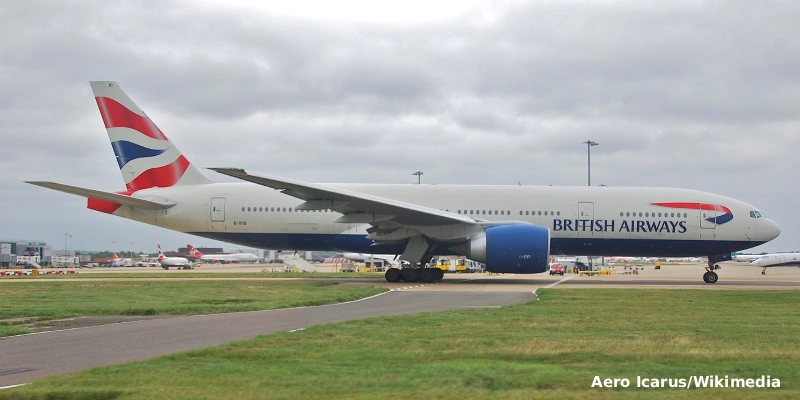
British Airways Expands Network for Summer 2027: Touches Down in Tanzania and Boosts Latin American Capacity by 25%


Plataforma Informativa de Aviación Comercial con 13 años de trayectoria.