Lufthansa Accelerates Corporate Strategy Implementation: Closing CityLine, A340-600 Retirement, and Global Capacity Adjustment




Facing a critical surge in operating costs and geopolitical instability, the Lufthansa Group has announced an acceleration in the implementation of its corporate strategy. The plan includes an immediate reduction in capacity across short, medium, and long-haul routes, alongside an accelerated retirement of inefficient aircraft to mitigate the impact of rising fuel prices.
The End of Lufthansa CityLine and Fleet Modernization
As an immediate execution measure, the group has decided to permanently remove Lufthansa CityLine’s 27 operational aircraft from the flight schedule starting the day after tomorrow. This decision aims to halt the financial losses of the regional carrier, whose fleet of Canadair CRJ models is nearing the end of its technical service life and presents comparatively high operating costs.
Capacity Reduction on Long-Haul Routes
The second phase of the plan will focus on intercontinental capacity following the conclusion of the summer flight schedule:
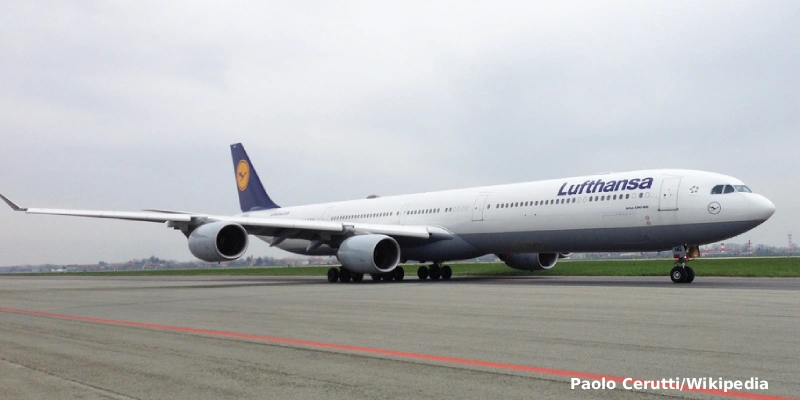
- Retirement of the Airbus A340-600: In October, the final four units will leave the fleet, marking the definitive end of this model’s service with the airline.
- Storage of the Boeing 747-400: Two aircraft of this type will be withdrawn from service for the winter season, with a final exit from the fleet scheduled for next year.
- Hub Consolidation: For the 2026/27 winter season, the Lufthansa core brand will reduce its capacity by an additional five aircraft as part of the traffic consolidation across the group’s six hubs.
→ Lufthansa Joins Air France-KLM in Bidding for TAP Air Portugal; IAG Withdraws from Process
Financial Optimization and Fuel Management
The strategic acceleration responds directly to the doubling of kerosene prices following the conflict in Iran and additional burdens derived from labor disputes. According to Till Streichert, Chief Financial Officer (CFO) of the group, these measures are “inevitable” to ensure the competitiveness of short and medium-haul platforms.
The financial impact is broken down as follows:
- Fuel Efficiency: The removal of inefficient aircraft generates disproportionate savings in kerosene consumption.
- Risk Hedging: Currently, the group has hedged 80% of its consumption based on crude oil prices; however, the remaining 20% must be acquired at market prices.
- Cost Reduction: The new measures will reduce this unhedged and costly segment by approximately 10%.
- Administrative Expense Reduction: New savings targets have been established for hiring, internal events, and external consultancy to support the goal of eliminating 4,000 administrative positions by 2030.
Strategic Future and Human Capital Management
Despite the cuts, the group maintains its focus on medium-term modernization, including the planned allocation of nine additional Airbus A350s to Discover Airlines.
Regarding the personnel affected at Lufthansa CityLine, the company has initiated transition processes:
- Ground staff have been integrated into the new Lufthansa Aviation GmbH.
- Flight and cabin crews received transfer offers to Lufthansa City Airlines, with comparable compensation packages and corrective payments to balance differences in working conditions.
The closure of this operational phase will include negotiations with labor representatives to establish a social plan and a reconciliation of interests, ensuring professional prospects within the group.
Related Topics

Avianca to Permanently Resume Direct Flights Between Cali and Miami

U.S. Airlines Prioritize High Fares Over Load Factors to Counter Soaring Jet Fuel Costs

Record Revenue, Red Ink: Fuel Costs Take a Toll on American Airlines in Q3 2026

Southwest Posts Record Q3 2026 Operating Revenue, Accelerates Commercial Transformation

Un apasionado por la aviación, Fundador y CEO de Aviación al Día.