

Lufthansa has begun drafting crisis plans in anticipation of a potential drop in demand and instability in fuel supplies resulting from the armed conflict in the Middle East. This strategy addresses the airline’s need to adapt quickly to a volatile geopolitical environment that threatens operational stability across Europe.
Capacity Adjustments and Operational Response
Lufthansa has assigned specialized teams to develop various crisis scenarios of varying severity. According to a company spokesperson, following statements by CEO Carsten Spohr, these plans include drastic measures to protect the company’s financial health.
Among the most significant actions is the possibility of grounding up to 40 aircraft, representing approximately 5% of the airline’s total fleet capacity. This decision would be made based on the evolution of passenger demand on routes affected by regional instability.
→ Lufthansa Redefines Onboard Luxury: New “FOX” First Class Experience Debuts
Fuel Crisis: Prices and Shortages
The concerns of Lufthansa’s executive board are not limited solely to fluctuations in traveler numbers. The contingency plans are being driven by two critical factors related to aviation fuel:
- Price Escalation: The sustained increase in fuel costs directly impacts operating margins.
- Supply Risk: There is a genuine concern regarding a potential resource shortage.
This situation has been exacerbated by the closure of the Strait of Hormuz, a vital maritime gateway that has left a significant proportion of global fuel shipments stranded. Consequently, refineries in Asia have begun cutting production, further limiting global supply options.
Europe’s Energy Dependency
The vulnerability of Lufthansa and the European aviation sector is particularly high due to its reliance on imports. Europe is the primary importer of aviation fuel sourced from the Persian Gulf.
According to Vortexa data compiled by Bloomberg News, supplies from that region account for nearly half of the total imports for the European Union and the United Kingdom. Any prolonged disruption to these trade routes forces operators to rethink their cost structures and long-haul flight offerings.
The preparation of these plans underscores Lufthansa’s proactive stance in the face of a global landscape defined by uncertainty.
Related Topics

American Airlines to Build Network’s Largest Admirals Club at Charlotte

US Department of Transportation Closes Airline Data Privacy Review Without Penalties

Southwest Unveils Record-Breaking Summer 2027 Schedule With Major Expansion in Austin, Nashville, and San Diego
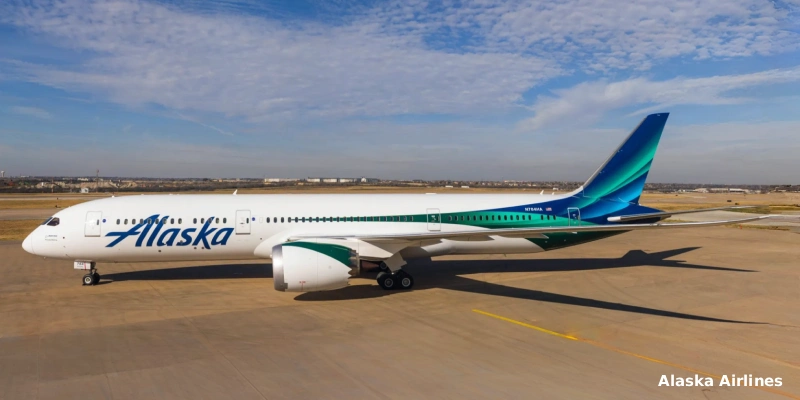
Alaska Airlines Challenges Delta in Seattle, Taking its Offensive to Long-Haul Routes


Plataforma Informativa de Aviación Comercial con 13 años de trayectoria.