Transportation Secretary Sees Room for Airline Mergers in the U.S.: A Potential Paradigm Shift Under Trump Administration
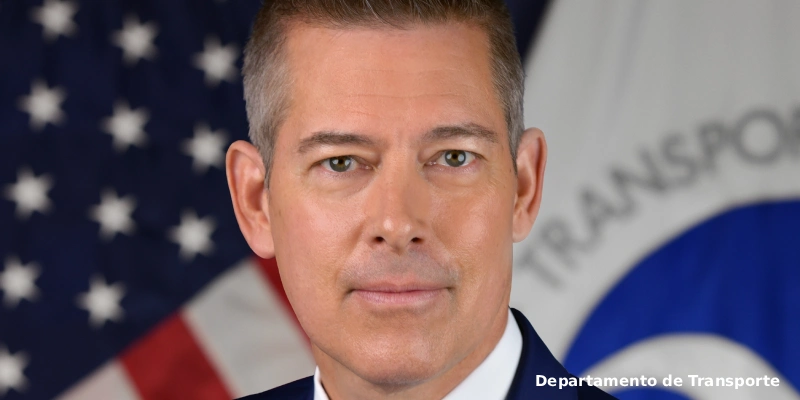




U.S. Transportation Secretary Sean Duffy stated that there is room for further consolidation within the country’s aviation industry. However, the official warned that any potential deal will undergo detailed scrutiny to evaluate its direct impact on consumers.
A Shift in Vision for Aviation Competition Policy
Following a period marked by the Joe Biden administration’s aggressive stance in blocking consolidation efforts, Duffy’s recent statements suggest an openness toward new corporate movements.
Despite acknowledging significant “noise” or rumors regarding potential transactions, Duffy noted that he will not commit to any proposal in advance. According to the Secretary, any merger involving the nation’s largest carriers could require specific conditions, such as the divestiture of strategic assets, to secure government approval.
Factors Driving Consolidation
Several elements are reigniting interest in mergers across the sector:
- Operating Costs: Jet fuel prices have seen a significant increase due to the armed conflict involving the United States and Israel against Iran.
- Regulatory Approvals: Any future agreement will require the go-ahead from President Donald Trump, the Department of Transportation (USDOT), and the Department of Justice (DOJ).
- Market Configuration: Currently, nearly 80% of the domestic passenger market is controlled by four major carriers: American Airlines, Delta Air Lines, United Airlines, and Southwest Airlines.
Background and Current Sector Landscape
The U.S. airline industry is coming off a recent history of failed attempts and strategic restructurings. In 2024, JetBlue had to terminate its $3.8 billion merger with ultra-low-cost carrier (ULCC) Spirit Airlines after a federal judge blocked the operation over anticompetitive concerns.
In contrast to full mergers, some companies have opted for strategic alliances. An example is the agreement announced last year between JetBlue and United Airlines, which allows travelers to book flights on both websites and earn or redeem points interchangeably through their frequent flyer programs.
Industry Outlook
Under the Biden administration, the USDOT and the DOJ launched a broad public inquiry into competition in air travel in 2024, maintaining the promotion of competition as a top priority.
The current administration’s new stance opens the door for airlines to seek economies of scale to tackle high operating costs, though the government’s commitment to protecting the end consumer remains the central pillar of any future evaluation. The market remains expectant as to which companies will decide to “pair up” in this new era.
With information from Reuters
Related Topics
British Airways Expands Network for Summer 2027: Touches Down in Tanzania and Boosts Latin American Capacity by 25%

Copa Airlines Restores Second Daily Flight to Caracas, Venezuela

Avianca Strengthens Cross-Border Network: Launches Daily Flights Between Bogotá and Maracaibo, Venezuela

LATAM to Expand International Connectivity With New Direct Route Between Santiago de Chile and Salvador de Bahia

Plataforma Informativa de Aviación Comercial con 13 años de trayectoria.