Delta Also Adjusts Baggage Fees Amid Escalating Fuel Costs
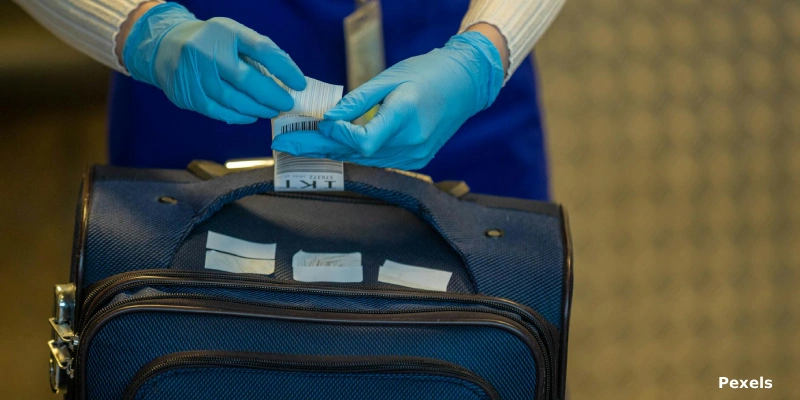




Delta Air Lines has announced an increase in checked baggage fees for domestic routes and short-haul international flights. This measure is a direct response to the sustained rise in aviation fuel prices, driven by recent geopolitical tensions in the Middle East.
Impact of the Energy Crisis on Operating Costs
The global airline industry is facing a complex scenario due to oil market volatility. Jet fuel, which averaged between $85 and $90 per barrel prior to the February conflicts in the Middle East, has experienced a significant surge.
According to data from the International Air Transport Association (IATA), the global price of aviation fuel has climbed to approximately $209 per barrel. This spike has severely impacted airline profit margins by drastically raising operating costs, particularly following disruptions in the Strait of Hormuz—a vital corridor for crude oil supply.
→ Delta and Amazon Challenge In-Flight Connectivity Market with «Leo» Satellite Network Integration
New Baggage Fees at Delta Air Lines
Following the trend set by competitors such as United Airlines and JetBlue Airways, Delta will apply the new charges to bookings made starting Wednesday. This adjustment represents the airline’s first increase in this segment in two years.
The new cost structure for checked baggage is broken down as follows:
- First checked bag: Increased by $10, now set at $45.
- Second checked bag: Increased by $10, now set at $55.
- Third checked bag: Increased by $50, now set at $200.
Exceptions and Frequent Flyer Benefits
Despite the general changes, the company has confirmed that certain protections for its most loyal customers will remain in place. Baggage benefits linked to Delta’s frequent flyer programs, as well as benefits for passengers in premium cabins and holders of co-branded credit cards, will not undergo modifications. Furthermore, fees for long-haul international routes remain unchanged.
The In-House Refinery: A Strategic Buffer
Unlike many of its rivals, Delta Air Lines possesses a competitive advantage in supply chain management. Through a subsidiary, it operates a refinery in Pennsylvania with a capacity of approximately 190,000 barrels per day.
This infrastructure allows the company to cover nearly three-quarters of its fuel requirements internally. However, while this operational capacity offers logistical relief, the airline remains exposed to spikes in the price of crude oil on the international market, which has precipitated this tariff adjustment to protect the company’s profitability.
Related Topics
End of an Era: Lufthansa Retires Airbus A340-600 Fleet After 23 Years of Service

ITA Airways Celebrates Its Fifth Anniversary

Condor Launches Daily Flights Between Berlin and Abu Dhabi

Lufthansa in Talks to Acquire Remaining 50.1% Stake in TAP Air Portugal Following Initial Entry

Plataforma Informativa de Aviación Comercial con 13 años de trayectoria.