Most Valuable Airline Brands in 2026





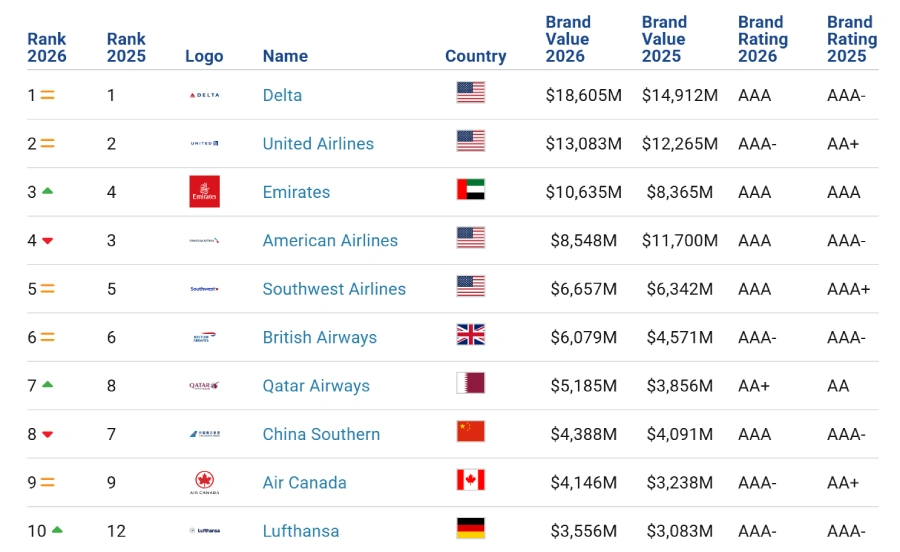
The global aviation sector has solidified its recovery in 2026, fueled by a significant rebound in international travel and resilient demand across long-haul segments and premium services. The combined value of the world’s top 50 airline brands rose to $147 billion, according to Brand Finance—an 11% increase over the previous year, reflecting strategic investments in operational excellence and network expansion.
North American Dominance: Delta and United Hold the Top Spots
North American carriers continue to lead the global rankings, with Delta Air Lines maintaining its position at the forefront.
- Delta Air Lines: The company saw its brand value surge by 25%, reaching $18.6 billion. This growth is underpinned by its reputation for reliability, having been named North America’s most punctual airline in 2025 by Cirium. Its focus on service consistency has bolstered passenger loyalty across both domestic and international markets.
- United Airlines: United holds the second position with a valuation of $13.1 billion (+7%). The carrier has capitalized on the growth of international and premium traffic through investments in onboard technology and loyalty programs designed to retain high-value customers.
Conversely, American Airlines experienced a significant setback, with its brand value dropping 27% to $8.500 million. Despite solid demand, the airline faced margin pressures due to rising labor, fuel, and maintenance costs, coupled with price competition that constrained its ability to drive higher unit revenue.
→ Asian Airlines Capitalize on Surging Demand to Europe Amid Gulf Hub Crisis
Rise of Premium and Long-Haul Carriers
Outside of the United States, Middle Eastern and European airlines have shown robust performance, focusing on global connectivity and the customer experience.
- Emirates: The carrier climbed to third place globally with a value of $10.6 billion (+27%). Record profits in the first half of 2025 and continued investment in operational capacity at its Dubai hub have reinforced its luxury positioning.
- British Airways: BA achieved a 33% increase in value ($6.1 billion), driven by its leadership on the London-US corridor—the world’s largest premium market.
- Qatar Airways: Moving up to seventh place with a value of $5.2 billion (+34%), the airline’s growth has been anchored by its “Qatar Airways 2.0” strategy and the resilience of its cargo business.
In Europe, Lufthansa returned to the “Top 10” with 15% growth ($3.6 billion), benefiting from a more stable operating environment following a period marked by strikes and disruptions.
ANA Crowned the World’s Strongest Brand
A historic shift occurred in the measurement of brand strength. Japanese carrier All Nippon Airways (ANA) dethroned Southwest Airlines as the industry’s strongest brand, earning a Brand Strength Index (BSI) score of 90.2 out of 100 and a premium AAA+ rating.
This milestone for ANA is attributed to:
- Strategic Expansion: The consolidation of Nippon Cargo Airlines increased its freight capacity to North America.
- New International Routes: The launch of connections from Haneda to Milan, Stockholm, and Istanbul.
- Emotional Connection: Improved metrics in consumer recommendation and preference.
Japan Airlines also stood out by climbing six positions to become the world’s third-strongest brand (BSI 89.1/100), thanks to innovations such as “JAL MaaS” for the integration of air and rail travel.
Transformation in the Low-Cost Model: Southwest Airlines
Southwest Airlines, which now ranks second in brand strength and fifth in value ($6.7 billion), is currently undergoing a profound evolution. Through its “Southwest. Even Better.” transformation, the airline is moving away from its traditional single-class model to introduce assigned seating and extra-legroom options. While these changes have met some resistance regarding price perception among certain customers, the airline maintains exceptional loyalty, leading the J.D. Power economy segment for the fourth consecutive year.
Related Topics

Panama to Boost Tocumen International Airport Capacity with $306.75 Million Investment
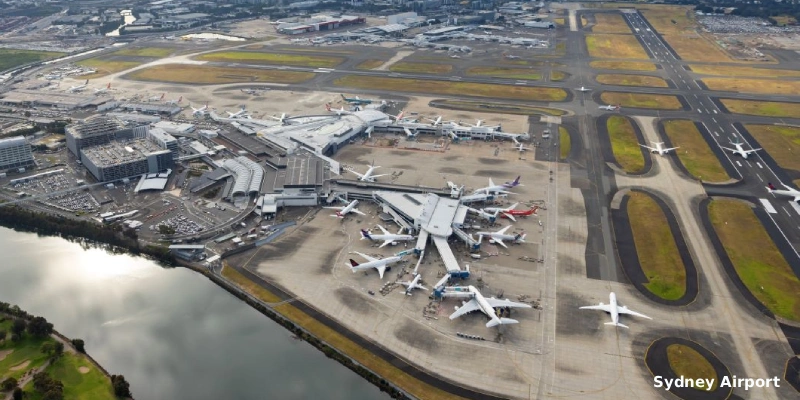
Air Traffic Controllers at High Fatigue Risk Involved in Serious Sydney Airport Near-Miss
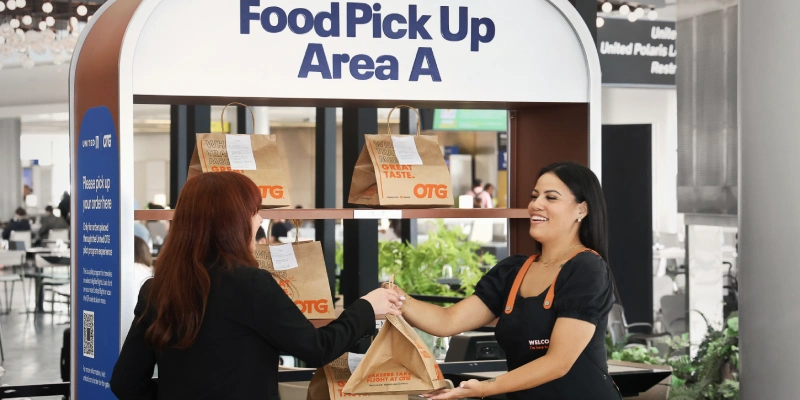
United Begins Gate Delivery Testing for Food and Essential Items at Newark Airport

Venezuela: Maiquetía Airport Resumes Commercial Operations via Temporary Terminals

Plataforma Informativa de Aviación Comercial con 13 años de trayectoria.