

On June 3, 2002, SKY Airline launched operations with a strategic flight between the Chilean cities of Santiago and Antofagasta. Since that initial milestone, the company has experienced robust institutional growth, positioning itself today as one of Latin America’s most prominent aviation players. To commemorate this 25th anniversary, the carrier hosted a ceremony at its main maintenance base, attended by executives, employees, industry authorities, and members of the Paulmann Mast family, the airline’s founders.
Throughout these two and a half decades, the company’s trajectory has been shaped by operational milestones and deep commercial transformations:
- 2010: Fleet modernization through the induction of aircraft from European manufacturer Airbus.
- 2015: Pioneering adoption and introduction of the low-cost business model in Chile and the Southern Cone.
- 2019: Strategic international expansion with the launch of its Peruvian subsidiary.
- 2022: Opening of the route to Miami, strengthening international connectivity.
- 2024: Launch of the new loyalty program, SKY Plus, and creation of the Compromiso SKY (SKY Commitment) initiative.
- 2026: Recognition as the most on-time airline in Latin America during January and March.
Operational Consolidation and Fleet Outlook
Today, the airline’s operating bases in Chile and Peru enable it to carry an annual volume exceeding 8 million passengers. Looking at historical cumulative figures since its inception, SKY Airline has recorded more than 80 million passengers transported across more than 672,000 flights operated.
Holger Paulmann, Chairman of SKY Airline, emphasized the company’s role as a pioneer in implementing the low-cost model in the region—a decision that carried significant risks but ultimately transformed air connectivity by offering a competitive, high-quality service at fair prices.
→ SKY Airline Enables Direct Sales in 10 Strategic Markets Across Europe, Oceania, and North America
Meanwhile, Daniel Belaunde, CEO of the company, stressed that the firm’s primary contribution has been driving the democratization of air travel. The executive noted that management’s current focus centers on bolstering the customer value proposition, maintaining its competitive edge in on-time performance (OTP), developing new alliances with global airlines, expanding the route network, and preparing the corporate infrastructure for the upcoming delivery of Airbus A321XLR aircraft.
Sustainability, Social Impact, and Gender Equality in Aviation
The carrier’s corporate strategy also encompasses social responsibility and environmental efficiency pillars, managed through the Compromiso SKY program. Since 2023, this program has implemented partnerships with various social institutions in Chile and Peru to facilitate air travel, support logistical operations, and assist vulnerable populations.
Fleet Fuel Efficiency
The operator has made comprehensive progress in modernizing its fleet, which consists entirely of Airbus A320neo (New Engine Option) family aircraft. This next-generation aviation technology significantly optimizes fuel burn and reduces carbon emissions per seat compared to previous-generation aircraft.
Inclusion of Female Talent
In the realm of gender equality within commercial aviation, the company posts metrics that outpace global industry trends:
| Female Pilot Metrics | Percentage (%) |
|---|---|
| Share of female pilots at SKY Airline (As of March 2026) | 11.6% |
| Global industry average according to IATA data | 6.2% |
The airline’s figure significantly exceeds the international average estimated by the International Air Transport Association (IATA), reaffirming the firm’s commitment to inclusion and the development of female talent in flight deck positions.
Future Outlook
With 25 years of operations under its belt, SKY Airline solidifies a business model focused on operational efficiency, social responsibility, and environmental sustainability. The company’s next steps aim to expand its network connectivity while optimizing its technical and commercial infrastructure for the arrival of its upcoming long-range fleet assets, all while maintaining the punctuality and affordability standards that define its position in the Latin American market.
Related Topics

Lufthansa Launches Nonstop Flights Between Frankfurt and Kuala Lumpur, Malaysia
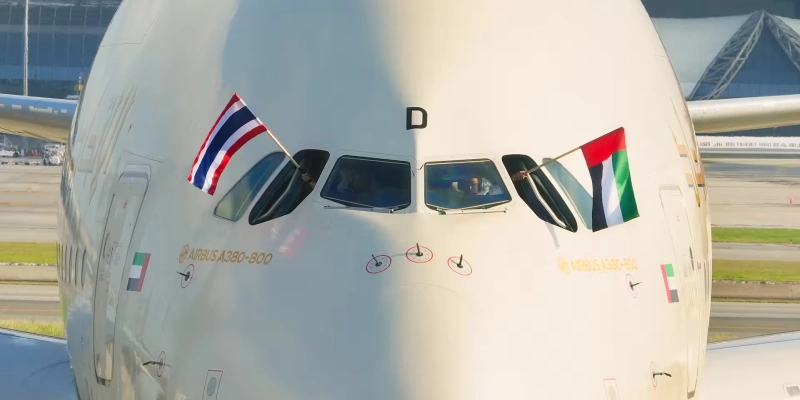
Etihad Airways Touches Down in Thailand for First Time with Its Iconic Airbus A380

Singapore Airlines Overhauls In-Flight Experience with Next-Generation KrisWorld and Starlink Satellite Connectivity
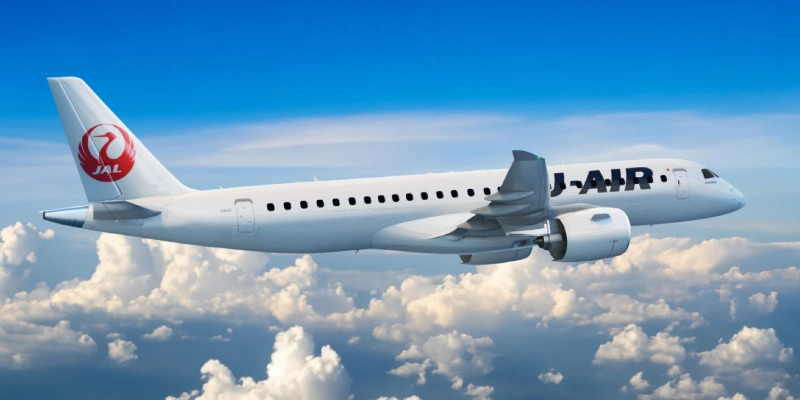
Japan Airlines Selects Embraer E190-E2 to Renew J-AIR Regional Fleet


Plataforma Informativa de Aviación Comercial con 13 años de trayectoria.