Wizz Air to Offer Starlink Satellite Internet Across Fleet Starting in 2027
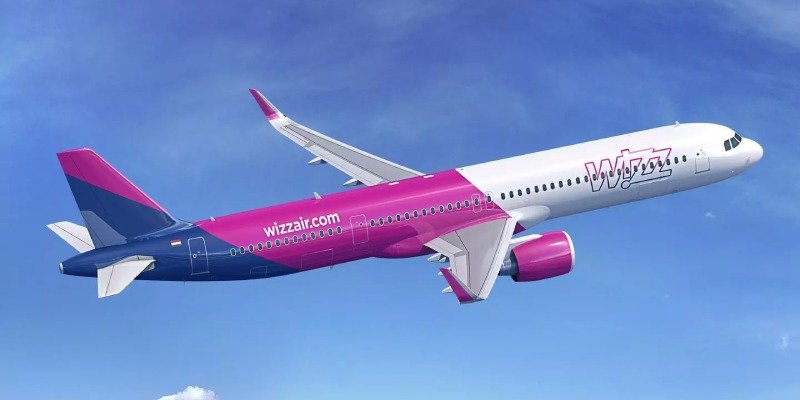




Wizz Air will become the first ultra-low-cost carrier (ULCC) in Europe to offer Starlink satellite internet service onboard its entire fleet starting next year. This strategic move aims to expand the airline’s signature model of affordability into global connectivity in space.
While the specific financial terms of the commercial agreement were not disclosed by the involved parties, Ian Malin, Chief Commercial Officer of Wizz Air, emphasized the importance of this step for the brand’s positioning:
“Ultra-low-cost travel has always been about making opportunities accessible to more people. In 2027, we will take that philosophy into the space age.”
→ Wizz Air Secures Authorization for UK to US Charter Operations
Cost Debate and Industry Adoption
The decision to introduce onboard wireless internet draws a direct contrast with the stance of its immediate competitors in the European low-fare sector. Rivals such as Ryanair and easyJet have previously stated that implementing Starlink’s Wi-Fi poses significant financial challenges.
- The Financial Impact According to Competitors: Michael O’Leary, CEO of Ryanair, estimated that adopting Starlink could cost his airline up to $250 million annually. This figure includes the additional fuel burn caused by the weight and aerodynamic drag of the connectivity hardware.
Despite the reservations voiced by traditional low-cost operators in Europe, Starlink is solidifying its position as the world’s largest satellite operator and continues to secure partnerships across various segments of the global aviation market:
- United States Carriers: Holds signed agreements with major network and low-cost airlines, including American Airlines, Southwest Airlines, United Airlines, and Alaska Airlines.
- Long-Haul Operators: Has established alliances with global network carriers renowned for their long-haul services, such as Singapore Airlines and Emirates.
The adoption of this new technology comes amid a broader context of operational recovery and consolidation for the airline.
Related Topics
LATAM Airlines Strengthens Regional Leadership with Five Honors at the 2026 World Travel Awards

Copa Airlines Restores Operations Following Seismic Activity in Panama and Expands Commercial Flexibility Policies

Arajet Resumes Direct Flights Between Punta Cana and Guayaquil

LATAM Airlines Announces Nonstop Flights Between Santiago de Chile and Caracas Starting in January

Un apasionado por la aviación, Fundador y CEO de Aviación al Día.