
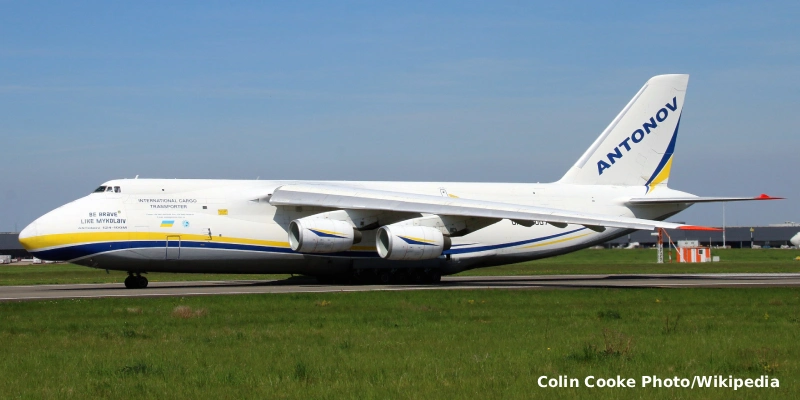
High demand in the commercial aviation market and supply chain complexities have forced the two giants of aerospace manufacturing, Airbus and Boeing, to radically alter their traditional logistics setups. According to Reuters, in recent weeks both companies have contracted the services of the Antonov An-124—one of the largest cargo planes in the world—to speed up the transport of key structural components for their civil and military aircraft programs.
Normally, the transport of these large fuselage sections is carried out via maritime or land transport networks, or through dedicated fleets of modified cargo aircraft (such as Airbus’s Beluga fleet or Boeing’s Dreamlifters). Turning to an external heavy-lift, four-engine jet represents a substantial increase in operating costs, signaling that the manufacturers’ safety stock levels are in critical condition.
Airbus: The Impact of the Kinston Integration and the A350 Program
In the case of the European manufacturer, the use of the An-124 focused on expediting the shipment of parts destined for the Airbus A350, its flagship widebody model, which has experienced delivery delays. According to industry sources, this shift from sea to air freight is a response to operational difficulties at the Kinston plant in North Carolina (a former Spirit AeroSystems facility), which was absorbed by Airbus last December as part of a joint supplier split agreement with its American rival.
- Reduction in Safety Stock: While maritime transport previously operated in coordination with a buffer inventory that secured four ready sets of components, current stock shortages have forced the use of urgent air freight to mitigate further assembly delays.
- Complex Integration: Company spokespersons confirmed that separating from the former owner and integrating into the company’s global infrastructure is a complex process that will take several years to complete.
- Financial Forecasts: Airbus reaffirmed to financial analysts that it is maintaining its estimates regarding the negative impact on projected operating profits for 2026 resulting from the costs of absorbing the Spirit AeroSystems plants.
→ Airbus and MTU Aero Engines Partner to Develop Hydrogen Fuel Cell Engine
Boeing: Safeguarding the 767 Program Against Million-Dollar Costs
For its part, the American manufacturer turned to the same heavy-lift operator at the end of June to resolve a critical bottleneck. According to records filed with the United States Department of Transportation (DOT), Boeing requested and urgently justified the use of the An-124 to operate cabotage (domestic) flights within U.S. territory.
The operation involved transporting two upper fuselage sections from Daher Aerospace facilities in Florida to Boeing’s assembly plant in Everett, just outside Seattle. Under ordinary circumstances, these structures are transported overland across the country.
Urgency in the Boeing 767 Program
Formal documentation disclosed by Boeing reveals the impact of these delays on production:
- The sections were urgently needed for the production of the Boeing 767 airframe—a model that, while no longer offered in its passenger version, is in its final phases as a freighter and serves as the baseline platform for the U.S. military’s aerial refueling tankers (KC-46).
- In its waiver request letters, the company directly highlighted that failing to mitigate these material flow delays would impose an extremely significant economic cost on the corporation.
Aerospace Sector Outlook
Industry analysts agree that although the global aerospace supply chain shows a general trend toward recovery and overall delivery numbers have increased compared to the critical periods of the COVID-19 pandemic, vulnerabilities persist. The manufacturing sector for aerostructures and specific interior components continues to represent the primary capacity challenge for major global aviation consortiums.
The recurring mobilization of heavy-lift air cargo resources is a clear symptom that manufacturing plans are running on razor-thin margins. In the short term, the challenge lies in how quickly Airbus stabilizes its inherited Spirit AeroSystems operations and how Boeing manages its bottlenecks to maintain steady widebody aircraft production rates without incurring additional financial penalties.
Related Topics

Embraer Backlog Reaches Record High of $35.7 Billion in Third Quarter of 2026
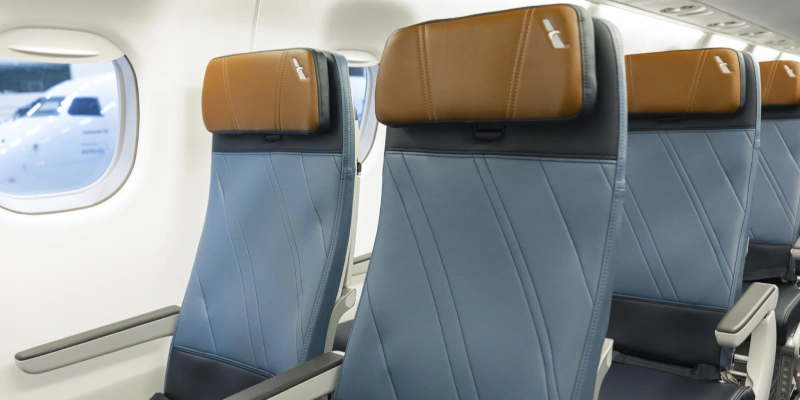
Embraer Delivers First E175 Equipped with Next-Gen RECARO Seats to American Airlines
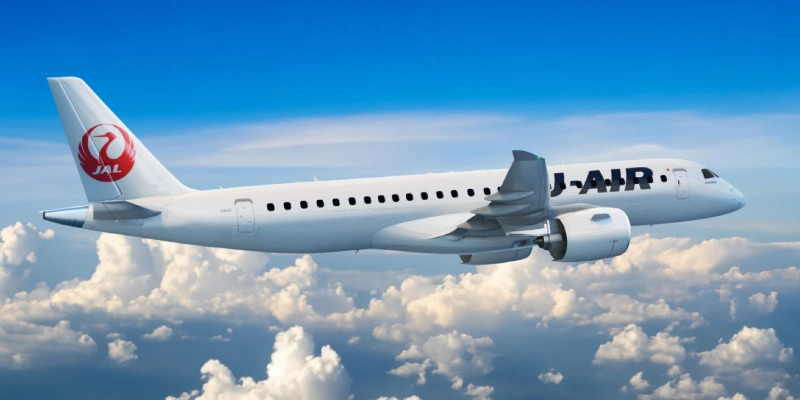
Japan Airlines Selects Embraer E190-E2 to Renew J-AIR Regional Fleet
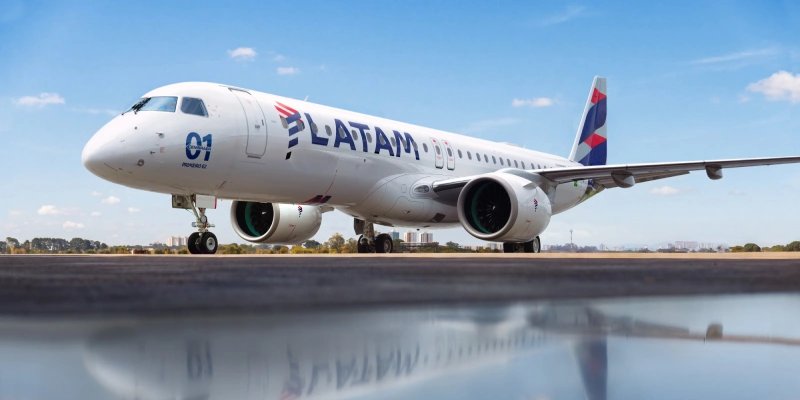
LATAM Airlines Brazil Takes Delivery of Its First Embraer E195-E2


Plataforma Informativa de Aviación Comercial con 13 años de trayectoria.