
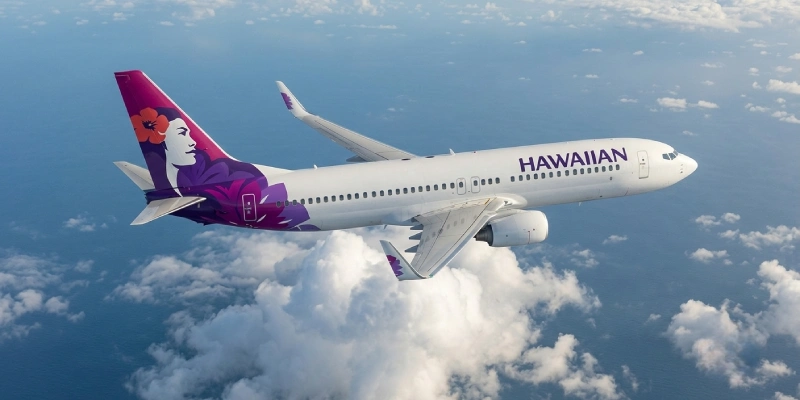
As part of the corporate strategic plan Alaska Accelerate, Alaska Air Group announced a comprehensive fleet modernization for its short-haul operations between the Hawaiian Islands (known in the industry as Neighbor Island flying). Hawaiian Airlines’ iconic Boeing 717-200s—aircraft that have formed the backbone of inter-island cabotage transport for decades—will be phase out to make way for a standardized fleet of Boeing 737-800s operated under the Hawaiian corporate brand.
The group’s target timeline outlines starting the formal fleet transition in 2028, moving swiftly to deploy the new capacity. However, to maintain frequencies, safeguard operational capabilities, and address immediate demand prior to the definitive swap, Alaska Airlines will supplement inter-island routes starting in October.
During this interim phase, a Boeing 737-800 in Alaska Airlines livery will operate three daily round-trip flights between Daniel K. Inouye International Airport in Honolulu and Kahului Airport in Maui. Passenger service and check-in for this temporary operation will be based at Terminal 1 of Honolulu Airport.
Operational Capability in High-Cycle Environments
The Hawaiian inter-island network presents a highly demanding operational profile unique in global commercial aviation: it is characterized by extremely short stage lengths, very high daily cycles (multiple takeoffs and landings per day), and constant exposure to an aggressive salt-spray corrosive environment. To meet these harsh conditions, selecting the Boeing 737-800 provides a proven, robust, and durable platform whose airframes and turbofan engines are engineered to withstand the cyclic fatigue of the island market.
Furthermore, the increased wingspan and overall dimensions of the Boeing 737-800 significantly optimize belly cargo volumetric capacity, enabling the airline to fulfill key local logistical demands, such as transporting oversized baggage and surfboards for residents and tourists alike.
“The Boeing 737-800 gives us a proven, capable platform for the next chapter of inter-island flying. It fits the Islands’ operational needs perfectly and gives our teams a clear path to transition from the 717s, while maintaining the reliable service our guests expect.”
— Jim Landers, Chief Operating Officer at Hawaiian
Elevating the Onboard Experience and Premium Segmentation
Replacing the Boeing 717 with the Boeing 737-800 responds not only to engineering criteria and operational efficiency, but also to a commercial product overhaul focused on the premium segment:
- Premium Cabin Expansion: The new configuration doubles the First Class seat count and adds over 30 additional seats in Premium Class, substantially increasing upgrade options for members of the Huaka’i by Hawaiian and Atmos Rewards loyalty programs.
- High-Speed Connectivity: Implementation of fully complimentary high-speed Wi-Fi provided by the Starlink satellite constellation across all flights.
- Technical Seat Comfort: Installation of reclining leather seats supplied by specialized manufacturer Recaro across all aircraft cabins.
- Power Supply and Digital Support: Individual seat integration of 110V AC power outlets, USB charging ports, and ergonomic personal electronic device (PED) holders.
“Inter-island service is part of Hawaii’s social fabric, and we know how deeply our guests, employees, and communities care about its future. This decision reflects our commitment to invest in Hawaii for the long term, strengthen Hawaiian Airlines, and honor the local culture and care that have made Hawaiian Hawaii’s airline for nearly a century.”
— Diana Birkett Rakow, CEO of Hawaiian Airlines
Strategic Consolidation under the “Alaska Accelerate” Vision
The adoption of the Boeing 737-800 represents a key milestone within Alaska Air Group’s five-year Alaska Accelerate plan. This strategy aims to drive sustained group growth by consolidating the dual-brand model and expanding Hawaiian Airlines’ reach across Pacific markets.
Since finalizing the operational merger between both carriers, the group has executed parallel investments in infrastructure and services, including the development of a new lounge at Honolulu International Airport, airport infrastructure upgrades across the archipelago, the launch of a unified loyalty platform, and an overhaul of operational IT systems.
Related Topics
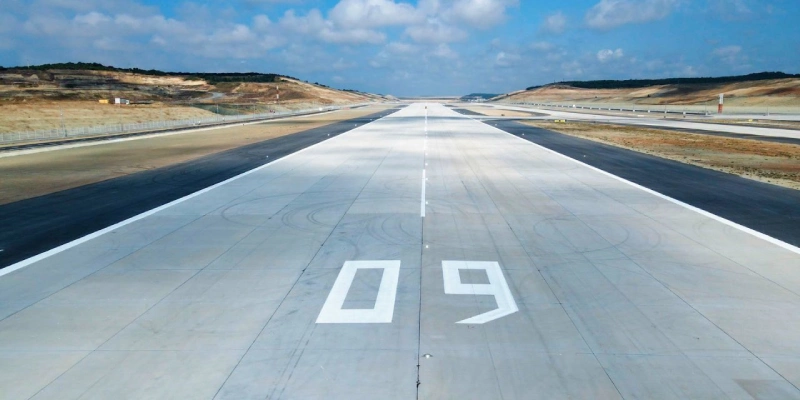
Istanbul Airport Inaugurates Its Sixth Runway
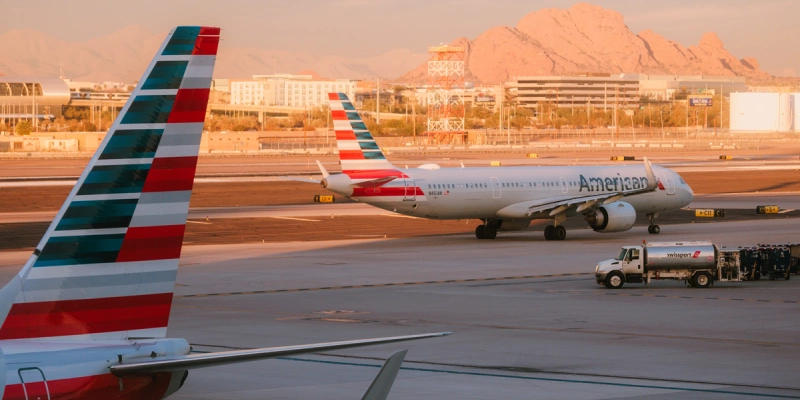
American Airlines to Be Primary Operator of Phoenix Sky Harbor International Airport’s New West Terminal

Delta Consolidates Leadership in Los Angeles with Largest Flight Schedule in its History for Summer 2027
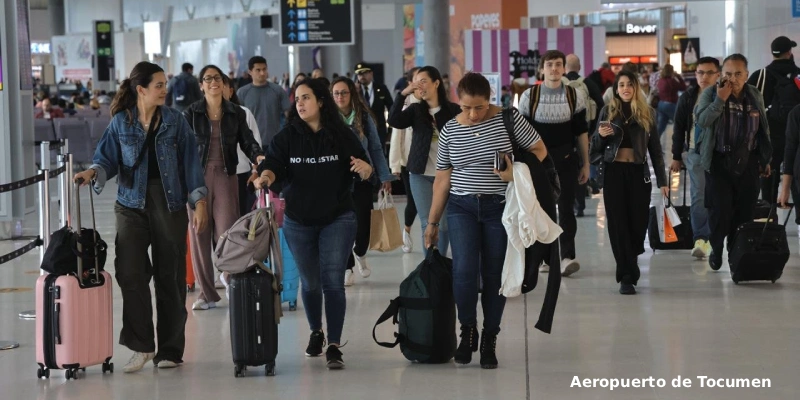
Panama: Tocumen Airport Handles Over 15.8 Million Passengers Through August, Consolidating 15% Growth


Plataforma Informativa de Aviación Comercial con 13 años de trayectoria.