Sydney Airport Near-Miss Rate Exceeds Australian National Average by 20%
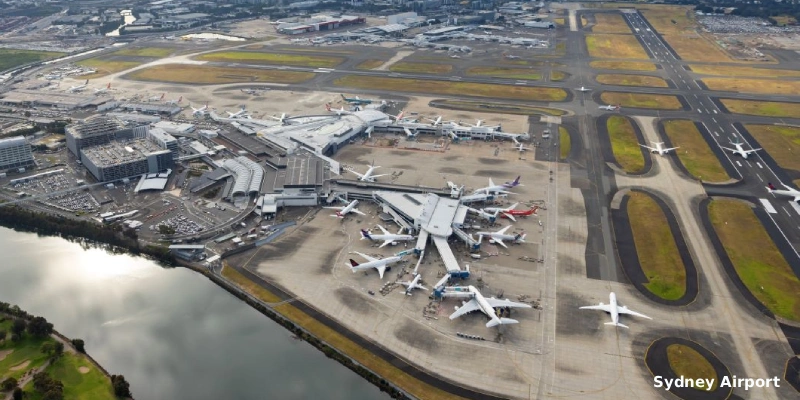




The Australian Transport Safety Bureau (ATSB) has revealed that Sydney Airport has recorded the highest rate of aircraft conflicts per movement in Australia since the COVID-19 pandemic. According to an independent statistical analysis conducted by the bureau on runway safety events at the country’s major airports between 2016 and 2026, this metric exceeds the national average by 20%.
The findings emerge as the ATSB concurrently investigates six incidents that occurred at the airport between July and August of this year, placing air traffic control (ATC) staffing levels under intense scrutiny.
Serious Incident Leaves Two Qantas Aircraft on the Brink of Collision
Releasing four preliminary reports, the safety watchdog classified a July 27 near-miss between two Qantas aircraft as one of the most severe runway incursions in its history.
During the incident, a Boeing 737 and a Dash 8 averted a collision with a separation of just 120 meters (394 feet).
ATSB Chief Commissioner Angus Mitchell underscored the gravity of the event during a media briefing:
“A near-collision between a Dash 8 and a Boeing 737 has been assessed as a Category A runway incursion—the most severe classification on the international scale—and marks only the third such incident in Australia since our records began in 2003.”
Prior reports by Reuters also indicated that multiple air traffic controllers on duty during these operations had been identified as presenting a high risk of fatigue.
Evasive Action and Taxiway Incidents
Among the occurrences under formal ATSB investigation is an August incident involving a Jetstar Airbus A320. The aircraft was forced to perform an abrupt brake application while taxiing to avoid colliding with an empty Qatar Airways Boeing 777 under tow.
→ Istanbul Airport Inaugurates Its Sixth Runway
As a direct result of the sudden deceleration, a Jetstar flight attendant sustained a fractured wrist.
Addressing the situation, Qantas Group—the parent entity that also owns and operates Jetstar—asserted in a statement that safety remains its highest priority, emphasizing that it is working closely with industry stakeholders and regulators to enhance air traffic management at Sydney Airport.
Mark Cameron, Chief Operational Safety Officer at Qantas, reaffirmed confidence in Australia’s aviation framework:
“Australian aviation operates within a highly sophisticated web of safety defenses, and we retain absolute confidence in those systems.”
Control Tower Staffing Shortages: Focus of the Investigation
The ATSB stated that its preliminary reports do not contain formal findings or definitive safety conclusions, which will be released upon completion of the full investigations. Nonetheless, Mitchell confirmed that ATC staffing shortages constitute a primary line of inquiry.
Investigators are specifically probing several operational factors within the Sydney Air Traffic Control Tower:
- Role Consolidation: The operational practice of combining critical control positions.
- Routine Overtime Reliance: The regular use of overtime to maintain operational rosters.
- On-the-Job Training Overload: The concurrent execution of training or instructional supervisory duties alongside active operational responsibilities.
Meanwhile, Airservices Australia, the federal agency responsible for airspace management and air traffic services nationwide, stated that it is already implementing targeted measures to accelerate air traffic controller recruitment and establish more agile operational recall mechanisms to deploy additional staff as demand dictates.
Related Topics
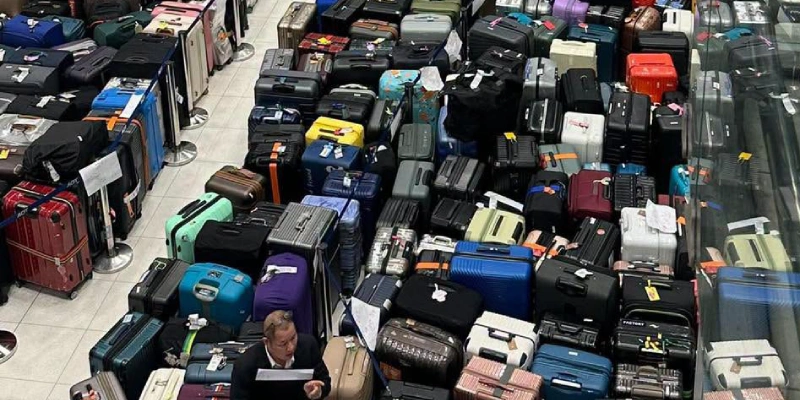
Thai Airways Cuts Flights and Faces Baggage Handling Collapse Following Severe Bangkok Flooding

Akasa Air in Talks With Boeing for Over 200 737 MAX Jets
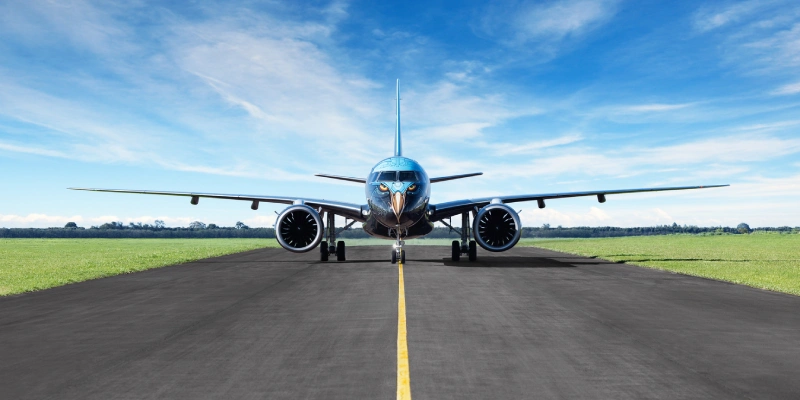
Embraer Nears Key Regional Jet Order from Japan Airlines

AirAsia Co-Founder Defends Airline’s Liquidity Amid Fuel Surge and Rules Out State Bailout
Plataforma Informativa de Aviación Comercial con 13 años de trayectoria.