US Transportation Secretary Rules Out Safety Risks From Boeing 737 MAX Software Glitch





US Transportation Secretary Sean Duffy has ruled out operational safety concerns regarding the recent software anomaly identified across the Boeing 737 MAX fleet. The authority confirmed there is no need to ground the aircraft while regulators assess the technical scope of the issue.
Department of Transportation Stance: No Need to Ground the Fleet
Speaking to reporters in Washington on Wednesday, Department of Transportation (DOT) Secretary Sean Duffy stated that he currently sees no safety concerns stemming from the software glitch.
“If there was something like, ‘Hey, we have a safety problem,’ we’d have a different response,” Duffy said. “We’ve learned that when you don’t respond quickly to things, bad things can happen.”
Duffy likened the pending software patch to a routine smartphone update, stressing that to date the issue “has not been characterized to us as a safety issue” and that halting operations for the aircraft family is not under consideration.
→ Akasa Air in Talks With Boeing for Over 200 737 MAX Jets
Understanding the Boeing 737 MAX Software Anomaly
The situation follows an advisory issued last Saturday by airframer Boeing, which reported that a software version installed on certain 737 MAX aircraft could prevent flight crews from accessing the automated flight guidance system during a specific landing profile.
Operational Impact During a Go-Around
According to details previously provided by the Federal Aviation Administration (FAA):
- The affected software version can increase pilot workload during a go-around maneuver.
- This operational procedure occurs when the flight crew discontinues an approach, applies engine thrust, and climbs away to initiate another approach maneuver.
737 MAX 10 Certification Paused and Corrective Measures
In response to the finding, the FAA determined on Monday that it will temporarily pause the certification process for the long-delayed Boeing 737 MAX 10 until the software logic defect is completely resolved.
For its part, Boeing noted that it has formally notified operators and is actively developing a software update to permanently address the malfunction.
To evaluate next steps, the FAA plans to convene a Corrective Action Review Board (CARB) to formally investigate the matter—a review that officials do not expect to take place before next week.
Related Topics
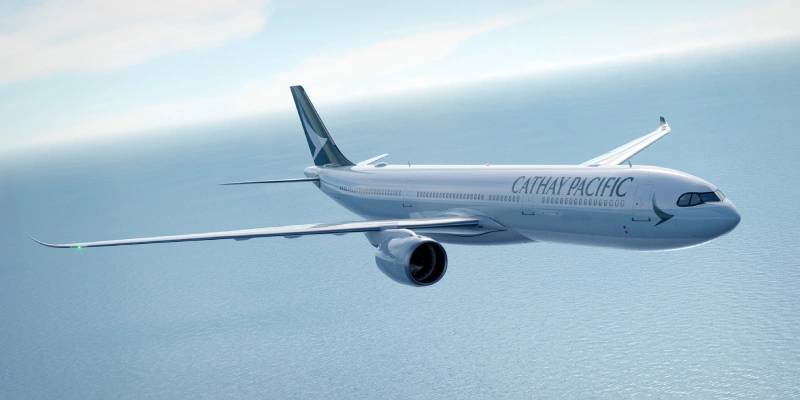
Cathay Group Orders 14 Additional Airbus Jets
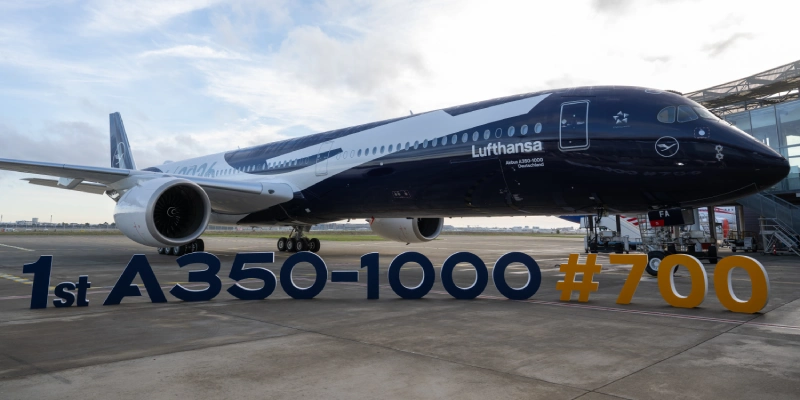
Lufthansa Group Takes Delivery of 700th Airbus Jets: An A350-1000 Marking 50 Years of Partnership and Debuting Starlink Inflight Connectivity
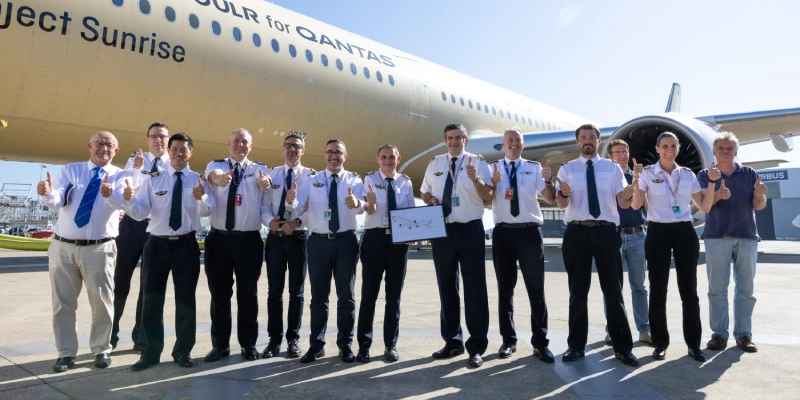
World Distance Record: Airbus A350-1000ULR Completes Historic 23,155-Kilometer Flight
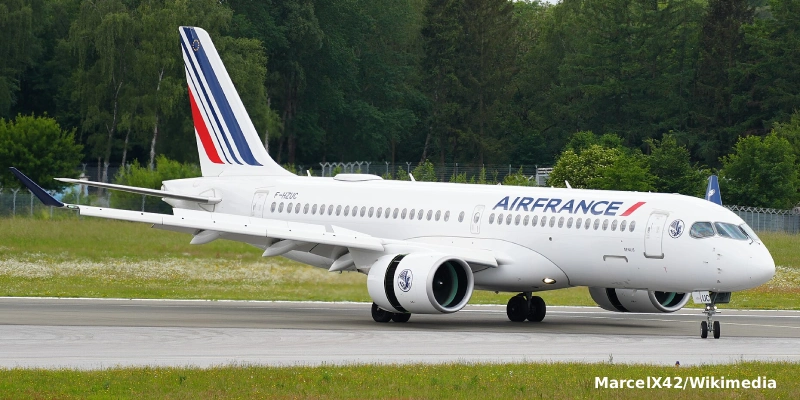
Air France Takes Delivery of Its 60th Airbus A220
Plataforma Informativa de Aviación Comercial con 13 años de trayectoria.