
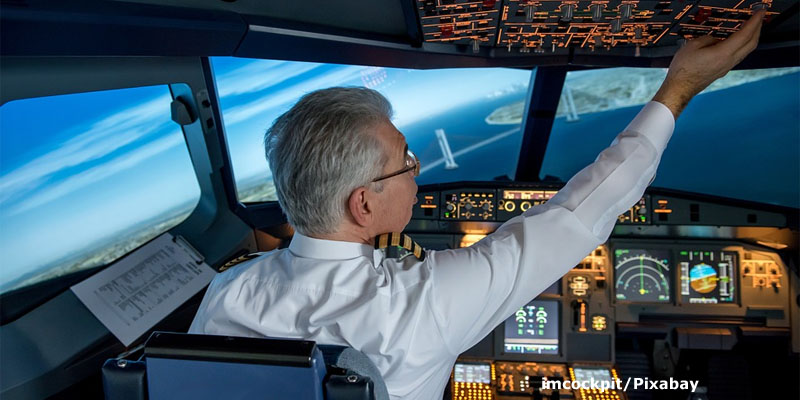
A report released by the European Cockpit Association (ECA) reveals that nearly one-quarter of European airline pilots routinely fly while excessively fatigued. The investigation exposes severe deficiencies in fatigue risk management, operational pressures, and widespread fear of corporate retaliation that compromise aviation safety across the continent.
Cockpit Alarm: Microsleeps and Operating on the Edge
Conducted in August and based on a survey of nearly 7,200 captains and first officers, the study highlights that 75% of flight crews experienced at least one microsleep—a brief, involuntary episode of sleep—while operating an aircraft during the four weeks prior to the poll.
Aviation fatigue stems from a combination of critical operational factors:
- Extended Flight Duty Periods (FDP) and inadequate rest periods.
- Irregular rosters and crossing multiple time zones, disrupting natural circadian rhythms.
- Direct operational risk: this condition degrades pilot judgment, impairs reaction times, diminishes situational awareness, and compromises crew response capabilities during unexpected contingencies.
Although European safety regulations mandate that operators maintain systems to identify, monitor, and mitigate these risks, 24% of pilots admitted to flying routinely instead of reporting unfit for duty due to fatigue. Furthermore, 16.8% resort to calling in sick as an alternative workaround to avoid flying fatigued.
Distrust in Reporting Systems and Misuse of Commander’s Discretion
The investigation reflects a critical disconnect between formal Safety Management Systems (SMS) and flight line realities. While the prevalence of exhaustion remains high, only one in three pilots formally files an unfit-to-fly report when exhausted. Worse still, 50% acknowledged operating a flight within the three months preceding the survey when they should have declared themselves unfit.
Key drivers behind this reluctance include:
- Fear of retribution: nearly half of respondents fear disciplinary or employment consequences from airline management if they submit a fatigue report.
- Lack of credibility: only 11.9% express confidence in their carrier’s Fatigue Risk Management System (FRMS).
- Pressure on commander’s discretion: nearly two in five pilots exercised this prerogative—designed to legally extend flight duty periods or reduce rest requirements under unforeseen, exceptional circumstances—at least once during the previous month. However, roughly 70% voiced concern over the repercussions of refusing to extend their duty day, underscoring management pressure on a mechanism strictly reserved for extraordinary operational contingencies.
Geographic Disparities and Business Model Segmentation
The severity of fatigue and the maturity of reporting cultures vary significantly across European airspace:
- By country: flight crews based in Ireland and Malta logged the highest rates of microsleeps, the lowest level of trust in reporting systems, and the greatest fear of executive retaliation. Meanwhile, two in five pilots in Spain (40%) and one-third of those based in Ireland and France admit to flying fatigued on a regular basis, compared to only one in ten in the United Kingdom.
- Positive safety culture: Ian Holder, Managing Director at aviation safety consultancy Baines Simmons, pointed out that oversight and management models in Finland and the Netherlands demonstrate that establishing effective, non-punitive “Just Culture” reporting environments is entirely feasible.
- Operating model: at low-cost carriers (LCCs), a mere 15.6% of pilots believe fatigue risk is managed effectively, a figure that edges up only slightly to 18.6% among ACMI (Aircraft, Crew, Maintenance, and Insurance) wet-lease operators.
Calls for Binding Regulatory Action
In light of the persistence of these findings over the past three years, ECA President Captain Tanja Harter urged airlines and aviation authorities to assume immediate, active accountability. Harter stressed that mitigating these hazards cannot rest solely on flight crews while they sit on the flight deck charged with safely transporting passengers.
Pilot associations have formally called on the European Union Aviation Safety Agency (EASA) to tighten fatigue management regulations, enforce strict non-punitive reporting protections, and curb the systemic misuse of commander’s discretion. The ECA underscored that diagnostic data and technical solutions have already been established; what the industry now urgently requires is decisive regulatory will to prevent these structural safety gaps from becoming institutionalized.
With reporting from The Guardian
Related Topics

Aeroméxico and Delta Announce Three New Nonstop Routes from Mexico City to Orange County, Fort Lauderdale, and Portland

Avianca to Permanently Resume Direct Flights Between Cali and Miami

U.S. Airlines Prioritize High Fares Over Load Factors to Counter Soaring Jet Fuel Costs

Record Revenue, Red Ink: Fuel Costs Take a Toll on American Airlines in Q3 2026


Plataforma Informativa de Aviación Comercial con 13 años de trayectoria.