FAA Poised to Certify Boeing 737 MAX 10 Next Week Following Key Safety Review Clearance
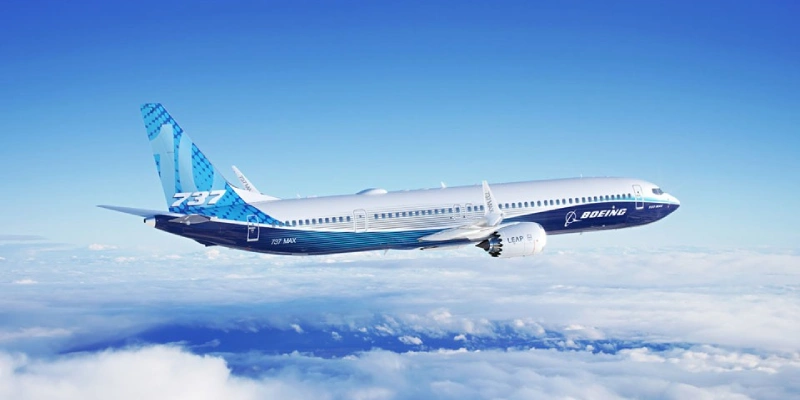




The Federal Aviation Administration (FAA) completed a critical safety evaluation on Friday and is set to grant type certification to the Boeing 737 MAX 10 as early as next week. This milestone marks the final phase in clearing the U.S. manufacturer’s highest-capacity narrowbody variant for commercial service.
A Decisive Step: The Type Certification Board Concludes Its Review
According to three sources familiar with the matter, the review conducted by the Type Certification Board (TCB)—a regulatory panel comprising FAA management and technical specialists—represents the final regulatory and engineering requirement ahead of formal certification.
The MAX 10 is the largest variant in Boeing’s 737 MAX lineup, and its imminent approval will mark a pivotal strategic and industrial turning point for the airframer.
Years of Delays and Heightened Regulatory Oversight
Boeing has operated under substantially tighter scrutiny following two fatal MAX 8 crashes in 2018 and 2019. The planemaker’s manufacturing and quality control systems faced renewed regulatory crackdowns following an in-flight door plug blowout in January 2024 aboard a nearly new Alaska Airlines MAX 9.
→ Avolon Orders 250 Aircraft from Airbus and Boeing
While Boeing originally intended to deliver the first MAX 10s in 2020, several compounding issues pushed back the timeline:
- Engine Anti-Ice System: A defect identified in 2023 within the 737 MAX engine anti-ice system jointly delayed certification efforts for both the MAX 7 and the MAX 10.
- The MAX 7 Precedent: In August, the FAA cleared the smallest variant, the 737 MAX 7, capping a rigorous technical review process that spanned more than eight years.
- Recent Flight Management Software Glitch: In late September, Boeing reported an issue involving the latest navigation software update on the 737 MAX, raising concerns of further slippage. However, on October 2, the FAA determined that the issue posed no immediate operational safety risk and opted not to mandate a redesign as a prerequisite for type certification.
Commercial Stakes and the MAX 10 Order Book
Protracted certification delays allowed European rival Airbus to build a commanding market share in the large single-aisle market with the A321neo. For Boeing, the aircraft is mission-critical: company executives have emphasized that the MAX 10 will serve as a primary cash-flow driver in its financial turnaround following years of operational disruptions and crises.
Key Program Metrics:
- Gross Orders: Airlines have placed firm orders for nearly 1,500 MAX 10 aircraft.
- Backlog Impact: The variant accounts for approximately 30% of the entire 737 program’s existing backlog.
- Whitetails and Parked Aircraft: Boeing has already rolled out and stored an inventory of assembled airframes ready for delivery once the type certificate is amended.
- Key Customers: Configured for maximum passenger capacity, the variant anchors fleet growth strategies for key operators, including United Airlines, Alaska Airlines, Ryanair, Delta Air Lines, and American Airlines.
Next Milestone: The 777-9
As the final steps for the 737 MAX 10 wrap up, Boeing continues certification efforts for its flagship widebody in production, the 777-9. Running six years behind its original target entry-into-service date, the company expects to secure certification and begin initial commercial deliveries in 2027.
Related Topics
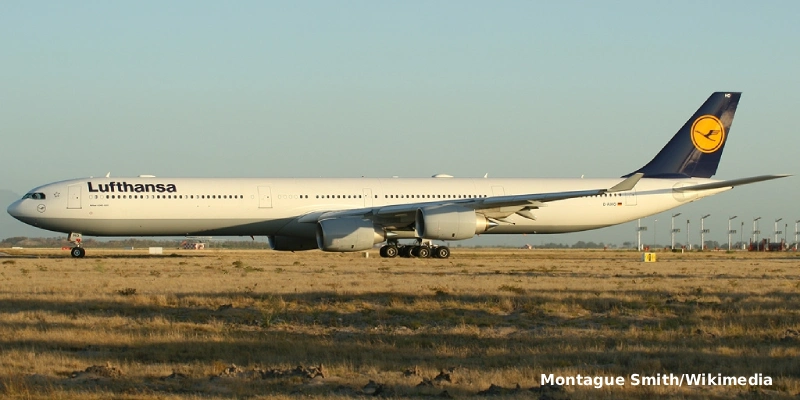
End of an Era: Lufthansa Retires Airbus A340-600 Fleet After 23 Years of Service
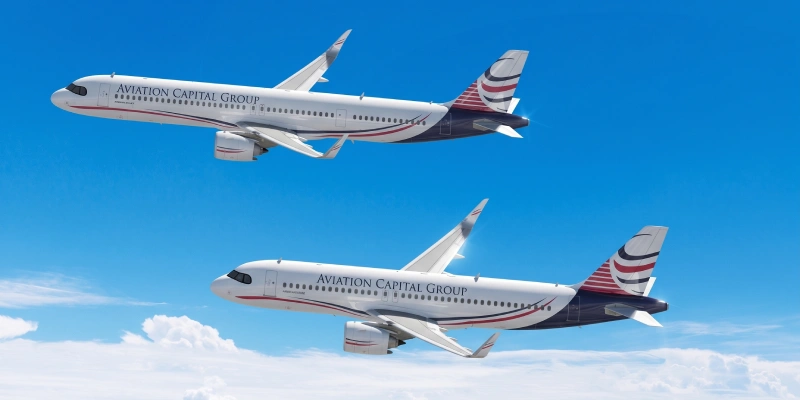
Aviation Capital Group Signs Firm Order for 75 Airbus A320neo Family Aircraft
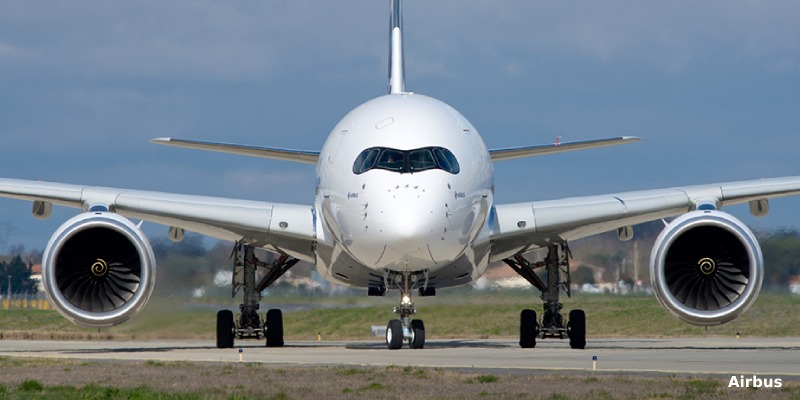
Airbus Plans to Accelerate A350 Production Ramp-Up and Evaluates Higher-Capacity Variants

Global Aviation Services Market to Double, Surpassing $420 Billion by 2045, Says Airbus
Plataforma Informativa de Aviación Comercial con 13 años de trayectoria.