Delta Faces Class Action Lawsuit Over Window-Seat Fees on Windowless Rows
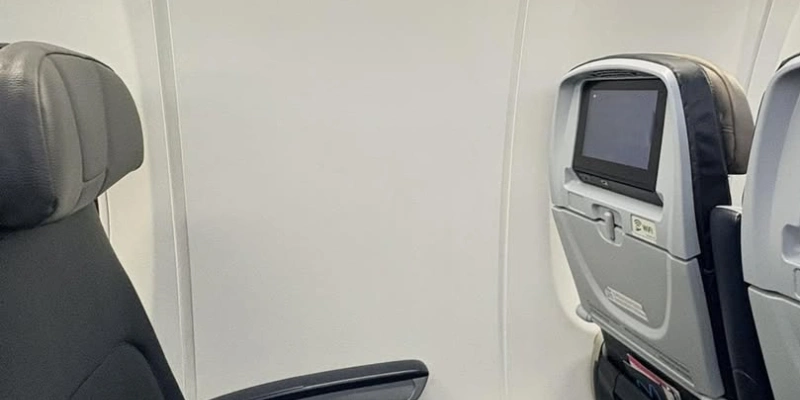




A U.S. federal judge has ruled that Delta Air Lines must face a proposed class action lawsuit over allegations that it charged passengers extra fees for window seats that actually faced blank walls or bulkheads. The ruling triggers a wide-ranging operational and contractual debate over whether airlines can rely on their general contracts of carriage to avoid delivering specific paid amenities.
Legal Battle Over Contract of Carriage Terms
The decision was issued by U.S. District Judge Ramon Reyes in Brooklyn, who found a plausible dispute regarding whether the carrier’s contract of carriage obligates it to deliver an actual window to passengers who paid for one. Atlanta-based Delta Air Lines had moved to dismiss the suit, contending that its contractual terms explicitly state the carrier “does not offer tickets or contracts to customers guaranteeing particular seats.”
Delta’s defense argued that the inherent nature of airline operations—including recurring aircraft swaps involving differing cabin configurations—relieves the airline of any obligation to guarantee specific seat assignments. However, Judge Reyes denied the motion to dismiss without ruling on the core merits of the case.
This decision is not an isolated incident in the U.S. airline sector. It follows a similar July ruling in San Francisco, where another federal judge rejected United Airlines’ bid to dismiss a comparable class action. Delta Air Lines declined to comment, citing its standard policy regarding pending litigation.
Cabin Architecture, Systems Routing, and Booking Transparency
The proposed class actions, formally filed in August 2025, were brought by passengers who were assigned seats facing windowless cabin sidewalls. In technical cabin architecture and aircraft interior design, these blank panels frequently accommodate internal systems routing, such as environmental control system (ECS) air conditioning riser ducts.
According to the complaint, this interior configuration affected passengers across multiple commercial fleet types:
- Conventional narrowbody aircraft, including the Boeing 737 family.
- Medium- and long-haul Boeing 757 aircraft.
- Airbus A321 family aircraft.
The plaintiffs stated that the lack of a window at these specific seat rows was neither disclosed nor flagged during the booking and seat-selection process on the carrier’s digital platforms. Passengers cited several operational and personal reasons for paying the seat-selection surcharge:
- Managing aerophobia (fear of flying) and motion sickness.
- Keeping children engaged throughout the flight.
- Improving ambient lighting in their personal seating space.
- Enjoying scenic views during the flight.
Judicial Precedent and Financial Exposure
Casey Olbrantz, an attorney representing the four Delta Air Lines plaintiffs, described the ruling as a significant legal precedent, establishing that despite federal airline deregulation, passengers retain the right to hold carriers accountable when they fail to provide the exact paid product or service.
Both the Delta Air Lines and United Airlines lawsuits seek millions of dollars in damages, potentially representing classes of more than one million passengers per carrier. The proceedings will now advance in federal court to determine contractual liability and the final financial exposure for the airlines.
Related Topics

LATAM Airlines Reports US$441 Million Q3 2026 Net Profit, Raises Full-Year Guidance
Qatar Airways Lands in Colombia and Venezuela: Inaugurates Triangular Route Linking Doha, Bogota, and Caracas

Latin America and the Caribbean Passenger Traffic Edges Up 0.8% in August

Copa Airlines Expands Connectivity in Venezuela with a Fifth Weekly Frequency to Barcelona

Plataforma Informativa de Aviación Comercial con 13 años de trayectoria.