Airbus Delivered About 30 Jets in First-half December, Sources say
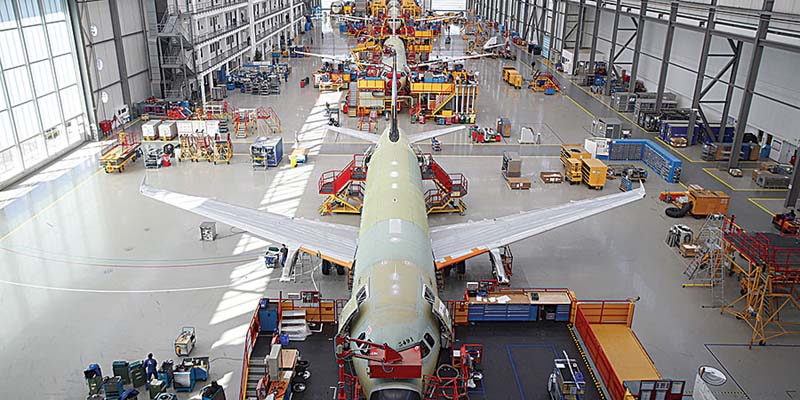




Airbus delivered around 30 aircraft during the first half of December, a figure lower than the usual pace for this month, according to industry sources and analysts who spoke to Reuters. The reduced volume comes as several airlines await detailed information about corrections linked to a recent issue detected in the fuselage of some A320s, a factor that is conditioning the European manufacturer’s year-end close.
Over 100 Aircraft Pending in the Final Stretch of the Month
With deliveries completed so far, Airbus still needs to complete over 100 aircraft in the second half of December to reach its revised target of approximately 790 aircraft in 2025. Between January and November, the company had delivered 657 units, leaving a considerable challenge for the final weeks of the year.
Analyst Rob Morris noted that to meet the updated guidance, another 104 aircraft would need to be delivered, a scenario he described as “a very steep challenge” at this point in the month. Data from Cirium showed 29 deliveries accounted for as of the Friday prior to his statements.
Airbus, which in previous years has shown a pattern of significant delivery increases in the final days of the fiscal year, declined to comment on the mid-month figures.
Annual Target Cut After a Weak November
At the beginning of December, the manufacturer reduced its annual delivery target by 4%, moving from around 820 to about 790 aircraft. Chief Executive Guillaume Faury described November as a “weak” month, affected by the discovery of a quality issue in some fuselage panels of the A320 family.
→ Airbus Admits Boeing Likely to Win Order Race This Year
Sector sources indicated that several airlines were reluctant to accept new aircraft until receiving more technical details about the inspections required for up to 628 aircraft, both in production and already in service.
Commercial Impact and Compensation Requests
The delivery delays have led some airlines to press for compensation and better warranty conditions, due to the operational disruption caused. This scenario adds to a previous recall related to a software issue, according to the same sources.
Airbus avoided commenting on any commercial discussions, although it reiterated that the panel defect does not affect flight safety. In contrast, the software recall was in response to a security vulnerability linked to solar radiation, exposed after an in-flight altitude loss on a JetBlue aircraft in October.
Competition with Boeing and Market Outlook
Despite the difficulties, Airbus continues to lead Boeing in the number of deliveries, a key indicator for revenue. However, the company acknowledged last week that it will likely lose the orders race for the first time in six years, a significant turn in the competition between the world’s two largest aircraft manufacturers.
The December close will be decisive in evaluating to what extent Airbus can replicate its traditional year-end acceleration and minimize the impact of the quality issues on its final delivery tally.
Related Topics

FAA Orders Inspection of Hundreds of Boeing 737 MAX Aircraft Over Potential Fuselage Cracking

FAA Certifies Boeing 737-7
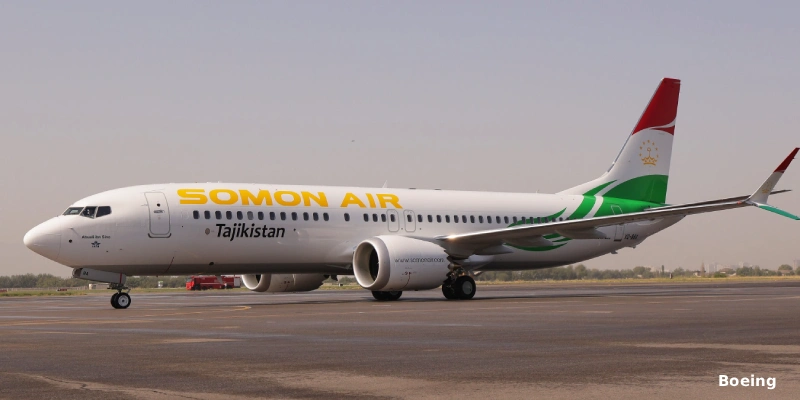
Somon Air Takes Delivery of First Boeing 737-8, Launching the MAX Era in Tajikistan

US-Bangla Airlines to Add 21 Boeing 737s to Drive Fleet Expansion Plan

Plataforma Informativa de Aviación Comercial con 13 años de trayectoria.