AirAsia X Maintains Plans to Launch New Bahrain Hub Despite Middle East Tensions
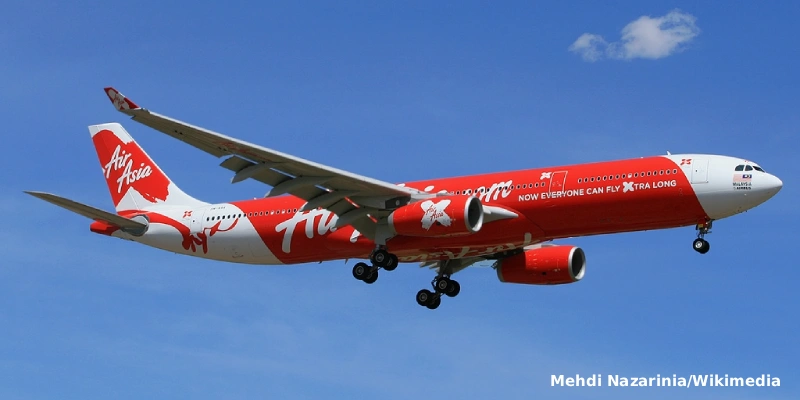




The low-cost carrier AirAsia X has reaffirmed its commitment to inaugurating its new hub in Bahrain this coming June. This strategic base represents the company’s first hub outside the Asian continent and is fundamental to its plans to resume the Kuala Lumpur–London route.
Strategic Expansion in an Uncertain Environment
Despite the board’s determination, the project faces a complex geopolitical landscape. Services are scheduled to commence on June 26, connecting Malaysia with the United Kingdom via a stopover in Bahrain. However, this original announcement was made before airstrikes in the region disrupted commercial aviation traffic in the Middle East, forcing various operators to cancel routes to avoid conflict zones.
AirAsia X CEO Bo Lingam stated in a press conference that the Bahrain operation will proceed without setbacks if the conflict concludes before the start date. Nevertheless, the executive remained reserved when consulted regarding the continuity of the plan should hostilities be prolonged.
Operational Alternatives and Routes to Europe
Faced with uncertainty, the airline is not ruling out adjustments to its network. When questioned about potential alternative routes to reach Europe, Lingam suggested that “everything is possible,” mentioning the possibility of leveraging current services to Turkey as an optional connection path.
→ Air India: Comprehensive Rebuilding of a Giant for Global Leadership
Financial Challenges: Fuel and Fare Adjustments
The crisis in the Middle East is not only affecting route safety but has also severely impacted operating costs. The airline, which in January completed the acquisition of the short-haul aviation business from its former parent company Capital A, has faced an unprecedented escalation in fuel prices.
- Jet Fuel Costs: In certain markets, the price of aviation fuel has reached $300 per barrel.
- Price Adjustments: To mitigate this impact, the company has increased fuel surcharges by approximately 20%.
- Passenger Fares: Ticket prices have seen hikes ranging between 31% and 40%.
Tony Fernandes, co-founder of AirAsia X and CEO of Capital A, explained that these measures are necessary to cover costs in markets where profitability has been compromised.
Refuelling Restrictions in Southeast Asia
In addition to the pricing factor, fuel availability represents an additional logistical challenge. According to Bo Lingam, supply shortages in Asia have led countries such as Thailand and Vietnam to impose limits on aircraft refuelling (tankering), which adds pressure to long-haul flight planning.
Future Outlook
Despite the economic and operational turbulence, the airline’s leadership maintains an optimistic vision. Fernandes highlighted that demand for flights remains high, allowing him to project that the company will emerge with greater solidity once the current crisis ends. For now, the focus remains on the critical date of June 26, which will mark either the success or the restructuring of its expansion into the European market.
Related Topics
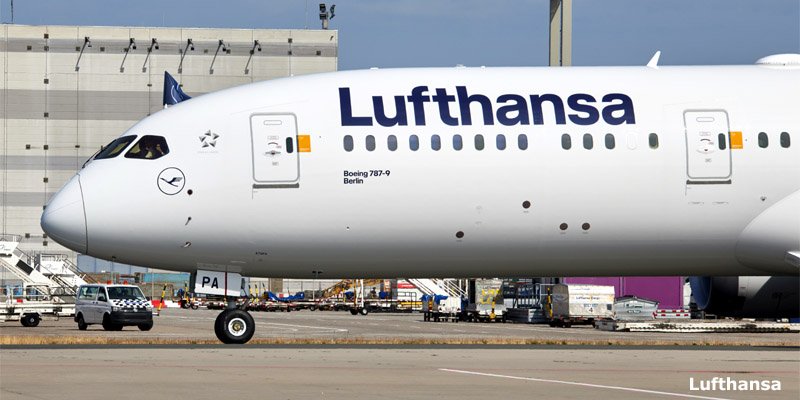
Lufthansa Group Boosts Connectivity to Japan, Reaching Up to 50 Weekly Flights in Summer 2027

British Airways Launches Multi-Million-Pound Heathrow Airport Lounge Transformation
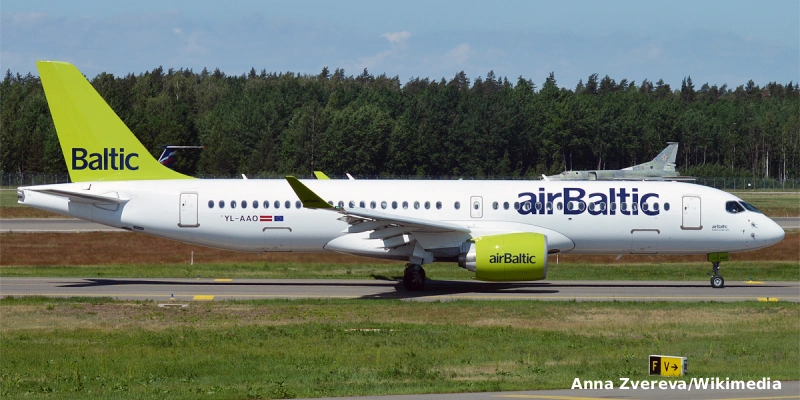
airBaltic Prepares to Lay Off Up to 700 Employees as Part of Chapter 11 Restructuring
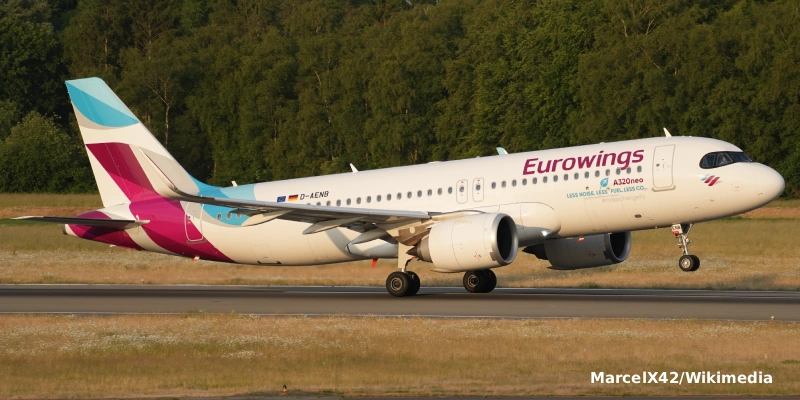
Eurowings Expands Middle East Network With Nonstop Flights to Baghdad

Plataforma Informativa de Aviación Comercial con 13 años de trayectoria.