Air India: Comprehensive Rebuilding of a Giant for Global Leadership
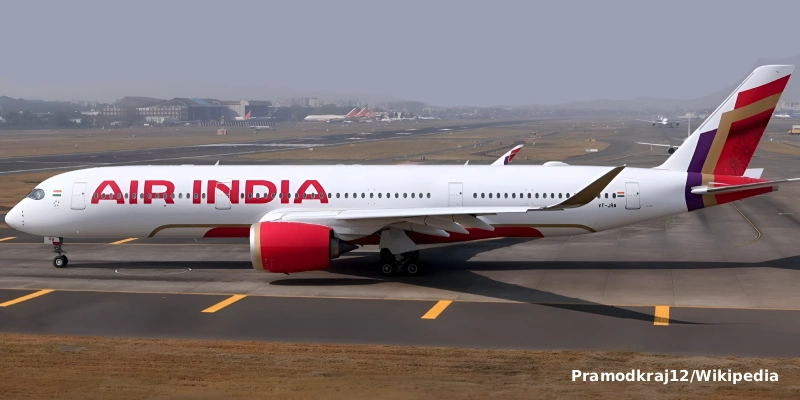




Air India has evolved from a flag carrier in a state of repair into a global competitor redesigned from the ground up. Through an ambitious strategy of fleet expansion, network re-engineering, and premiumization, the company seeks to capitalize on the growth of the Indian market and position itself as a benchmark of profitability for the next decade.
Ending Scale Constraints: A Fleet for the Future
For nearly two decades, a lack of investment in aircraft limited Air India’s growth capacity and competitiveness, particularly on long-haul routes. This trend has been drastically reversed following privatization through a massive and balanced fleet plan.
- Historic Orders: The airline has ordered 600 new aircraft from manufacturers Airbus and Boeing, complemented by the immediate induction of 36 aircraft under finance leases.
- Balanced Strategy: The plan includes narrow-body aircraft to densify the domestic and regional markets, alongside a mix of small, medium, and large wide-body aircraft destined for hub-based long-haul expansion.
This paradigm shift has transformed scale from a historical weakness into a strategic lever to capture India’s burgeoning aviation demand.
Network Re-engineering: From Fragmentation to Hub-and-Spoke
The most profound transformation at Air India lies not just in the number of aircraft, but in how they are utilized. Over the past four years, the airline has rebuilt its route map, moving from a fragmented structure to a network optimized for traffic flow.
The operational results reflect the impact of this vision:
- International Connectivity: International-to-international connections have tripled, leading to a 15-fold increase in connecting traffic across its entire system.
- Time Efficiency: The network currently links more than 1,250 city pairs, with connection times between domestic and international flights reduced to an average of 3 hours and 30 minutes.
- Market Share: In the long-haul segment, Air India’s share grew from 16% to 22%, consolidating its global relevance.
Furthermore, the elimination of short-haul international routes that overlapped with its subsidiary, Air India Express, has allowed for a clearer group structure without duplication.
Premiumization and Reclaiming the Corporate Traveler
To regain appeal among business and high-yield leisure travelers, the company has focused its efforts on elevating product and service standards.
The Return of Luxury and Loyalty
The introduction of Premium Economy, combined with the modernization of existing cabins, has allowed the airline to triple its premium seat inventory. As a result, sales in these segments have doubled since privatization.
In the realm of loyalty, the former “Flying Returns” program has been reborn as the Maharaja Club. This new model, based on passenger spend rather than just miles flown, has achieved:
- Fourfold growth in its member base.
- A 160% increase in active members.
- Alliances with nearly 100 partners across financial services, travel, and lifestyle.
Commercial Power and Global Sales
Air India has modernized its sales infrastructure, expanding its presence to 25 Indian cities and reinforcing regional offices in North America, Europe, the Middle East, Asia-Pacific, and Australia. Corporate confidence is evident: the corporate client portfolio grew from 150 in 2023 to more than 2,100 today.
Modernizing Retail and Digital Distribution
The airline has become the first Indian carrier to implement New Distribution Capability (NDC), a technological standard that enables dynamic pricing, personalized bundles, and direct access to ancillaries.
This focus on modern retailing has driven key metrics:
- Direct Sales: The share of passengers booking directly with the airline rose to 20% in fiscal year 2026.
- App Usage: Reservations via the mobile app now account for 20% of direct sales.
- Revenue: Total passenger revenue grew 1.6 times, while ancillary revenue expanded 2.6 times.
Cargo: From Support Function to Growth Engine
Historically relegated to the background, the cargo division has been elevated to a strategic business unit. With a compound annual growth rate (CAGR) of 20% since fiscal year 2022, cargo revenue has grown 1.74 times and volumes have doubled.
The logistics infrastructure now boasts Good Distribution Practice (GDP) certification for pharmaceutical transport and a road feeder system covering 231 destinations. By mid-2026, the airline plans to implement a new cargo revenue management system to maximize profitability in this sector.
The transformation of Air India represents the birth of a new commercial architecture. With a reconstructed network, a modern fleet on the way, and a strategy centered on premium value and distribution technology, the airline has stopped trying to “catch up” with the competition and has begun competing on level structural terms.
Related Topics

Aeromexico Plans to Launch Flights to Caracas in Q1 2027 and Evaluates Making Santiago Seasonal Route Year-Round
Copa Airlines Ramps Up Americas-Wide Campaign for Margarita Island Ahead of Porlamar Route Launch
LATAM Airlines Strengthens Regional Leadership with Five Honors at the 2026 World Travel Awards

Copa Airlines Restores Operations Following Seismic Activity in Panama and Expands Commercial Flexibility Policies

Un apasionado por la aviación, Fundador y CEO de Aviación al Día.