Airbus and Virgin Atlantic Drive “Smart Catering”: AI to Mitigate In-Flight Food Waste
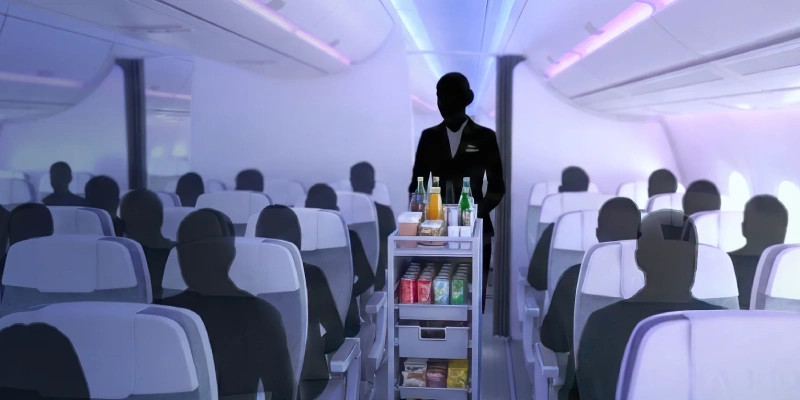




The global airline industry faces a large-scale logistical and environmental challenge: the generation of an estimated 3.6 million tonnes of catering and cabin waste annually, according to 2024–2025 data. In response to this scenario, Airbus and Virgin Atlantic have successfully validated “Smart Catering,” an Artificial Intelligence (AI) and data analytics-based solution designed to monitor consumption in real-time and reduce the environmental impact of flight operations.
Sustainability Challenge and Food Surplus
According to projections from the International Air Transport Association (IATA) and the Aviation Sustainability Forum, waste volume could reach four million tonnes by the end of 2026 and double by 2040 if current practices remain unchanged.
A critical factor is that between 18% and 20% of this waste consists of food and beverages that were never touched. Due to strict international regulations, most of these products end up incinerated or in landfills. Airbus has identified this waste as a key challenge in meeting the UN’s 2030 Agenda for Sustainable Development.
→ First Qantas Airbus A350-1000ULR for “Project Sunrise” Rolls Off Final Assembly Line in Toulouse
Operational Trials: From the UK to Transatlantic Routes
In 2025, Airbus tested the “Smart Catering” concept under real-world conditions alongside Virgin Atlantic. The validation process followed a logical implementation scale:
- Ground Phase: Successful tests were conducted at a Virgin Atlantic cabin simulation center in the United Kingdom to ensure seamless integration.
- Flight Phase: The technology was deployed on Airbus A330 aircraft (London-New York route) and Airbus A350 aircraft (London-Orlando route) for reality checks during cabin service.
Darryl Bailey, Head of In-flight Services at Virgin Atlantic, noted that this collaboration provides valuable insights to tailor offerings to customer preferences, minimizing waste without compromising premium service quality.
Technological Innovation: AI Food Scanner
The “Smart Catering” system requires no additional activities from the crew, as it integrates transparently into their standard workflow.
- Camera Recognition: The solution utilizes the camera on crew tablets or mobile devices to scan meal trays as they are removed from the trolley.
- Real-Time Inventory: The system automatically updates on-board stock, including both meals and beverages.
- Intelligent Assistance: The tool offers interactive search functions within the galley, including nutritional and allergen information, relieving the crew of manual reporting tasks.
- Asset Geolocation: The system indicates which specific trolley and galley each product is located in during the flight.
Toward Data-Driven Fleet Intelligence
The system architecture includes a “ground cloud” where all data collected by cabin devices is analyzed. This analysis allows airlines to obtain a precise view of demand at the route level, which has the potential to generate double-digit reductions in preventable food waste.
Exhibition at AIX 2026
The functional prototype of the “Smart Catering” solution will be presented to potential customers at the Aircraft Interiors Expo (AIX) in Hamburg, Germany, from April 14 to 16, 2026. This event will mark a starting point for the mass adoption of digital tools seeking to transform operational efficiency and sustainability in commercial aviation.
Related Topics
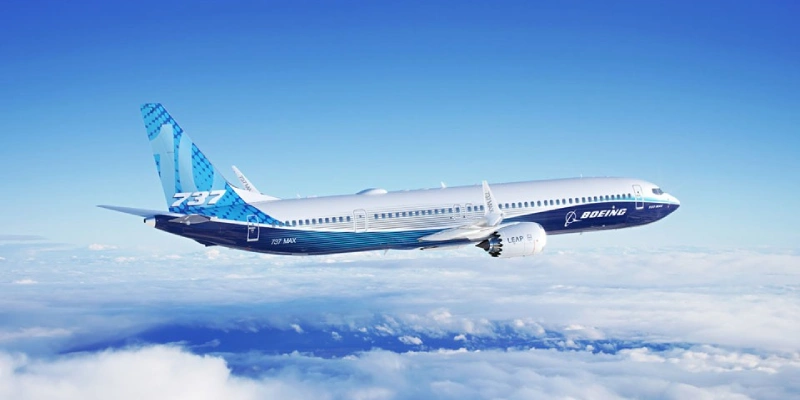
FAA Poised to Certify Boeing 737 MAX 10 Next Week Following Key Safety Review Clearance

Boeing Posts Best Month of 2026 With 57 Aircraft Delivered in September
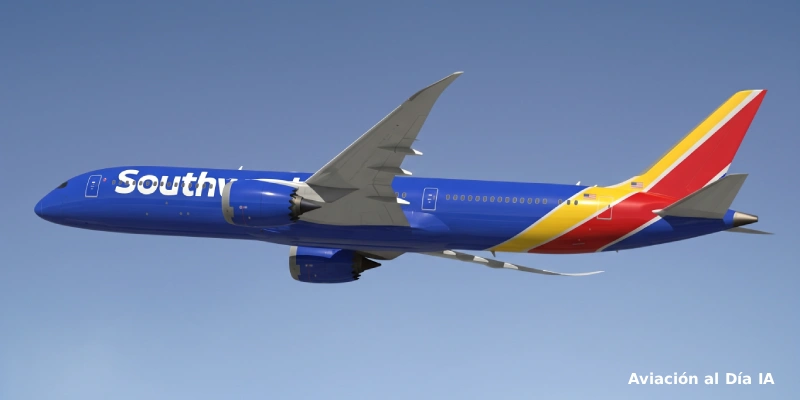
Southwest Airlines Evaluates Widebody Aircraft, Eyes Boeing 787
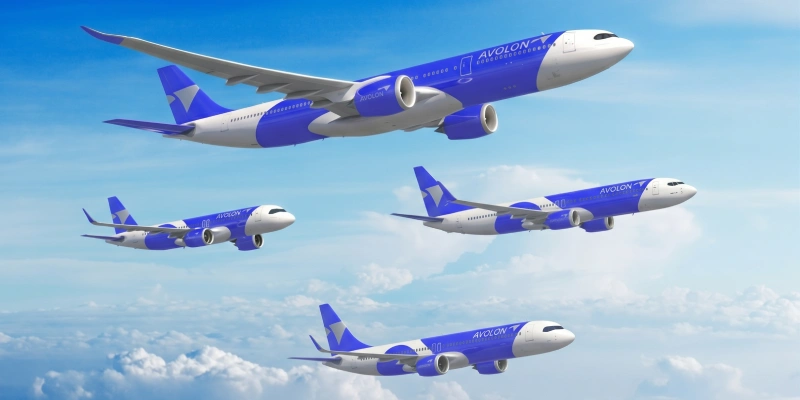
Avolon Orders 250 Aircraft from Airbus and Boeing

Un apasionado por la aviación, Fundador y CEO de Aviación al Día.