EasyJet doubles cabin crew over 50 and drives multigenerational talent acquisition for 2027
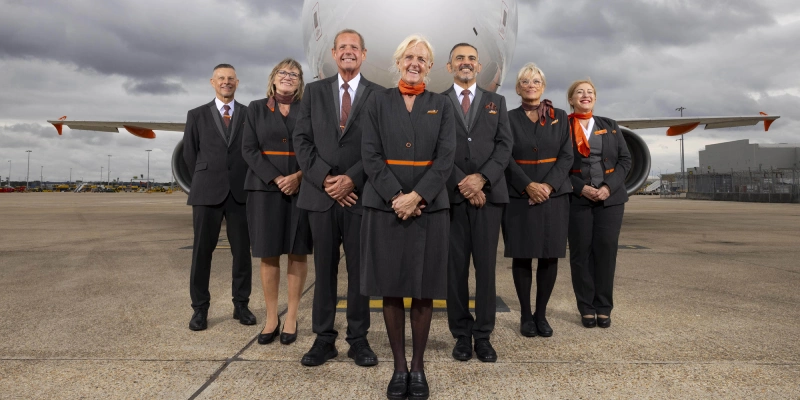




British low-cost carrier easyJet has recorded a 127% increase in the number of cabin crew members over the age of 50 since launching a targeted recruitment campaign in 2022.
The growth is even more pronounced among those over 60, whose presence on board aircraft has nearly quadrupled over the same period.
This organizational shift precedes the launch of its next major recruitment phase. In September 2026, the airline will open applications for hundreds of new cabin crew positions aimed at staffing its UK base network ahead of financial year 2027.
Key drivers and career transition metrics
An internal survey conducted by the airline among UK adults who made a career change after the age of 50 reflects quantitative improvements regarding their professional and personal well-being:
- Increase in overall well-being: 80% reported a direct improvement in happiness after completing their career transition.
- Operational autonomy: 78% indicated they had regained control over managing their time and work-life balance.
- Empowerment and self-confidence: 74% said they felt more capable performing their duties, while 71% experienced a boost in personal confidence.
- Vocational rediscovery: 69% stated the career change allowed them to identify their true professional goals, and 65% felt they should have made the transition sooner.
- Learning culture: 88% would recommend that professionals in their age bracket acquire new technical skills.
→ EasyJet Integrates i6 Application to Optimize Refueling and Reduce Emissions
Sector preference and identified entry barriers
The Travel and Tourism sector was identified as the most attractive field for mid-to-late-life career pivots, outranking sectors like Creative Arts, Media, and Healthcare.
Among the primary reasons cited for pursuing a career change after 50 were:
- Seeking greater workplace flexibility: 41%
- Achieving job satisfaction and professional fulfillment: 38%
- Pursuing new life experiences: 32%
Impact of immersion initiatives
Through the “Returnships” program launched in 2024—which offered both virtual and in-person informational sessions and trials for cabin crew—the airline identified pre-existing entry barriers within the target demographic:
- 28% of participants previously assumed cabin crew roles were restricted to younger demographics.
- 46% feared being the oldest person in their initial training cohorts.
- 74% agreed that turning 50 represents an ideal stage for professional reinvention, and 67% had considered re-entering the workforce.
Operational value: Internal mentorship and passenger reception
The integration of senior personnel has had a direct impact on easyJet’s workplace culture:
- Knowledge transfer: 53% of cabin crew over 50 view themselves as mentors to younger colleagues. 76% report feeling fully integrated, maintaining that age poses no operational limitation on board.
- Key transferable skills: 79% of professionals over 50 consider age an operational advantage. Key highlighted skills include:
– Problem-solving: 40%
– Calm handling of unexpected or high-stress situations: 35%
– Assertive interpersonal communication: 33% - Passenger reception: 68% of surveyed cabin crew noted that travelers view multigenerational representation positively. Additionally, 55% highlighted that passengers express satisfaction when served by crew members in their own age group.
“When the opportunity came up to join easyJet as cabin crew, I jumped at it. I knew I had the skills required, but this gave me a new avenue to apply my communication and organizational skills in an exciting environment. The reception has been overwhelmingly positive, and my experience over these past 18 months has given me a level of confidence that I’ll carry into the next phase of my career.”
— Francesca Hicks (64), former secretary, dementia specialist nurse, and easyJet cabin crew member with over 250 operated flights.
“It has been incredibly encouraging to see the number of cabin crew over 50 more than double since 2022. We want to encourage more people from this demographic to apply, as they bring not only technical skills from past experience, but a wealth of life lessons that enrich the service our crews are known for.”
— Michael Brown, Director of Cabin Services at easyJet.
Retention rates and recruitment process
Internal workplace survey data among senior flight personnel indicates that 80% felt supported and valued for their experience from day one; 75% felt the technical training program boosted their confidence faster than expected; and 85% highlighted the inclusive team environment. Furthermore, 66% expressed satisfaction with passenger interaction, 55% valued the variety in daily routines, and 25% stated their intention to remain in the role for as long as possible.
Applications to join easyJet as Cabin Crew will officially open in September 2026 via the airline’s official corporate portal (easyJet Careers), offering vacancies across all its UK operating bases.
Related Topics
AirAsia in Talks with Malaysian Government Over Potential Financial Support Amid Economic Headwinds and Soaring Fuel Costs
LOT Polish Airlines Launches Direct Flights Between Warsaw and Bangkok
Lufthansa Group Boosts Connectivity to Japan, Reaching Up to 50 Weekly Flights in Summer 2027

Thai Airways Cuts Flights and Faces Baggage Handling Collapse Following Severe Bangkok Flooding
Plataforma Informativa de Aviación Comercial con 13 años de trayectoria.