Boeing Nears 150-Jet 737 MAX Deal with Turkish Airlines After Resolving Engine Maintenance Dispute





U.S. planemaker Boeing is nearing the finish line on a long-delayed order for 150 Boeing 737 MAX aircraft from Turkish Airlines, Reuters reported exclusively. The breakthrough comes after the carrier previously threatened to walk away from the deal over contractual disputes regarding engine maintenance terms with joint-venture engine maker CFM International.
Key Deal on the Bilateral Agenda
The firm order for 150 narrowbody jets is part of a broader 225-aircraft commitment announced a year ago following a meeting between Turkish President Recep Tayyip Erdogan and then-U.S. President Donald Trump.
The procurement process had stalled over disagreements regarding the carrier’s request for an industrial engine maintenance agreement. However, talks are back on track and a formal signing could take place on the sidelines of upcoming high-level bilateral meetings:
- Imminent Signing: Sources close to the negotiations indicated that the definitive contract could be signed as early as next week.
- Diplomatic Backdrop: Aligning with the United Nations (UN) General Assembly meetings in New York, Turkish media reported a potential bilateral meeting between Trump and Erdogan, though the White House offered no immediate comment regarding the encounter.
→ Boeing and American Airlines Successfully Complete First 737 MAX Landing Gear Exchange
Dispute Drivers: Costs and In-House Technical Capabilities
At the heart of the standoff was the allocation of financial risk regarding long-term maintenance, repair, and overhaul (MRO) costs, coming at a time when the broader commercial aviation sector remains constrained by supply-chain bottlenecks and soaring parts and spare components prices.
Demands for a “Premier” Maintenance Facility
Weeks after unveiling the preliminary agreement with Boeing, Turkish Airlines—which operates a mixed fleet of more than 400 Boeing and Airbus aircraft—unexpectedly threatened to scrap the 150 MAX commitment in favor of Airbus, citing commercial pricing disputes with CFM.
It later emerged that the flag carrier was seeking to establish its own in-house MRO shop for the CFM LEAP engines powering the 737 MAX family. To achieve this, the airline sought to join CFM’s top-tier partner network, a status that would grant fast-tracked access to proprietary, next-generation repair technology. It remains unconfirmed whether the two sides reached a formal compromise regarding the establishment of this “premier-tier” facility.
Future Fleet Expansion and Fleet Diversification
Alongside the narrowbody resolution, Turkish Airlines is pressing ahead with its aggressive long-term fleet growth strategy to scale operations at its Istanbul hub.
Speaking at the International Society of Transport Aircraft Trading (ISTAT) conference, the airline’s Senior Vice President of Finance, Okan Bas, confirmed that management is evaluating fleet campaigns on two fronts:
- Regional Segment: Operational evaluations pitting the Embraer E-Jets E2 family against the Airbus A220.
- Long-Haul Widebody Fleet: A head-to-head technical and commercial competition between the Boeing 777X and the Airbus A350-1000.
Finalizing the 150 737 MAX order will clear a key hurdle for Turkish Airlines to firm up its order book while continuing evaluations for future fleet additions.
Related Topics
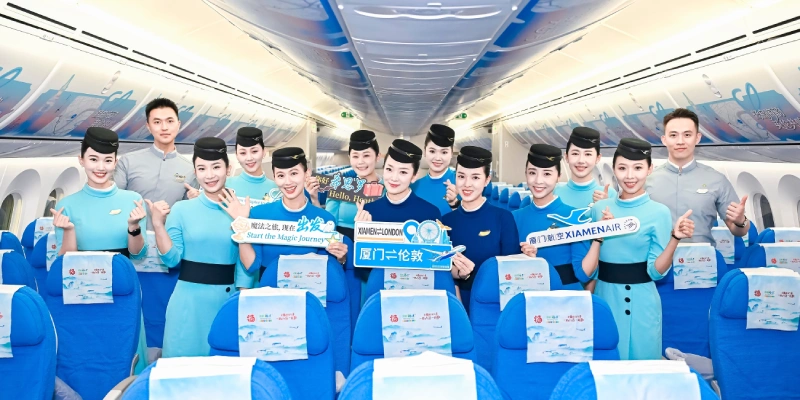
XiamenAir Launches New Intercontinental Route Between Xiamen and London

ANA Expands Regional Fleet with Additional Order for Eight Embraer E190-E2s
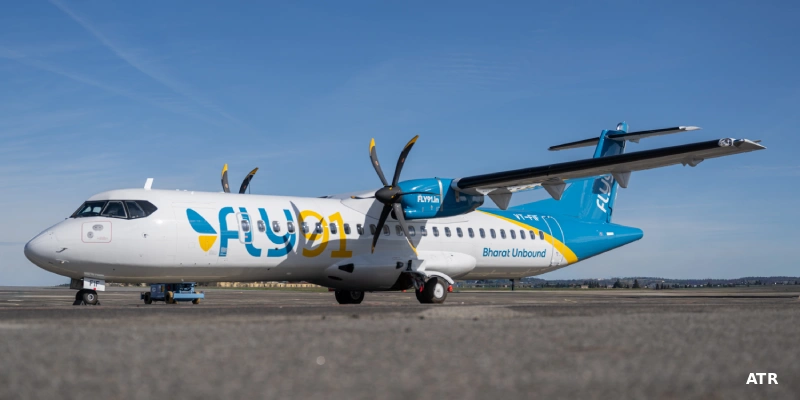
FLY91 Places Landmark Order for 40 ATR 72-600 Aircraft
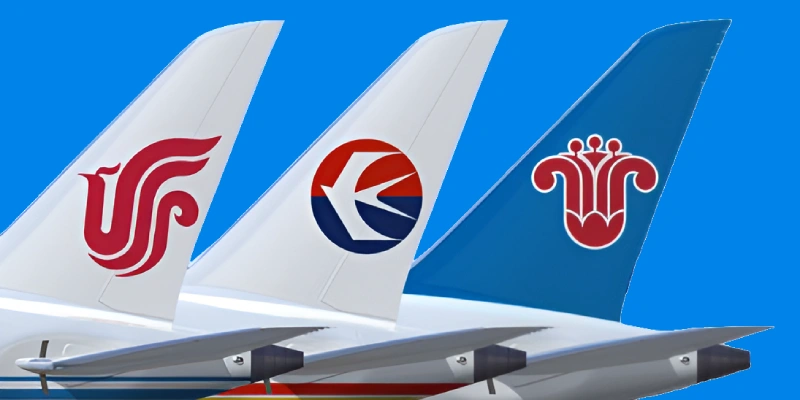
China’s “Big Three” Airlines Post Severe First-Half Losses Driven by Fuel Costs
Plataforma Informativa de Aviación Comercial con 13 años de trayectoria.