FAA Mandates Inspections on Nearly 2,000 Boeing 737 NGs Over Horizontal Stabilizer Oscillations
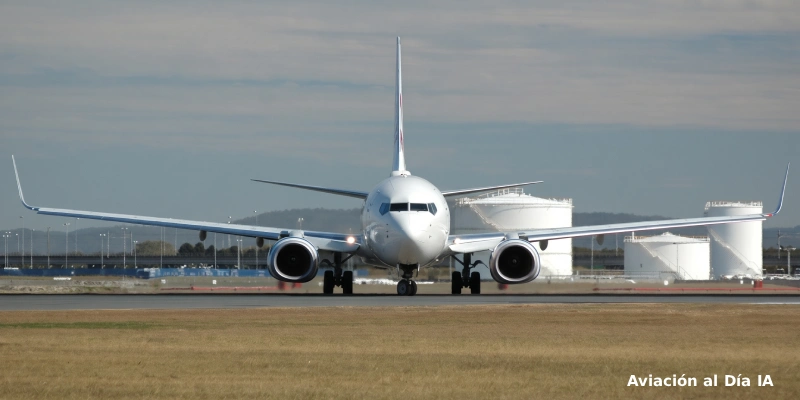




The U.S. Federal Aviation Administration (FAA) has issued an airworthiness directive requiring inspections across nearly 2,000 Boeing 737 Next Generation aircraft. The regulatory action follows reports of pitch oscillations caused by excessive freeplay in the horizontal stabilizer mechanism—a condition that could compromise aircraft controllability if left unaddressed.
Directive Scope and Affected Models
The final rule, published on October 19, 2026, takes effect on November 23, 2026. According to FAA estimates, the mandate directly affects 1,987 U.S.-registered aircraft.
The directive encompasses the following Next Generation variants:
- Boeing 737-600
- Boeing 737-700 and 737-700C
- Boeing 737-800
- Boeing 737-900 and 737-900ER
The FAA explicitly clarified that this airworthiness directive does not apply to the Boeing 737 MAX family.
Technical Background
The horizontal stabilizer is the movable airfoil positioned on the aircraft empennage tasked with controlling pitch attitude. Several operators reported uncommanded pitch oscillation events attributed to mechanical wear and excessive freeplay within its hinge and attachment assemblies.
The FAA warned that uncontrolled freeplay in this assembly can induce flutter—a severe aeroelastic vibration phenomenon capable of leading to a total loss of aircraft control.
→ FAA Certifies Boeing 737-10: Largest Member of MAX Family Is Cleared for Deliveries
Required Inspection Procedures
To mitigate the risk, operators must adhere to the compliance schedule outlined in the directive, which incorporates technical procedures previously published by the manufacturer in a Boeing Alert Service Bulletin dated June 12, 2025. The mandate requires operators to:
- Measure freeplay and motion tolerances at the stabilizer pivot hinges and jackscrew assembly.
- Perform secondary detailed inspections, structural repairs, or complete component replacements based on the measured freeplay values.
Airline Feedback and Regulatory Stance
The final ruling succeeds a notice of proposed rulemaking originally issued in January 2026. During the public comment period, several carriers requested technical and operational adjustments:
- Canadian North: Requested an extension of the initial inspection compliance threshold from 12 to 36 months, arguing that a wider window would align checks with heavy maintenance visits, easing labor scheduling and spare parts logistics.
- United Airlines: Requested extended repetitive inspection intervals for airframes fitted with replacement hinge bearings compared to those operating with original components.
The FAA formally denied both requests, stating that the prescribed intervals are critical to maintaining operational safety margins. The agency emphasized that freeplay monitoring must be executed with identical rigor regardless of whether components are original, repaired, or recently installed replacements. However, the regulator noted that operators may apply for Alternative Methods of Compliance (AMOCs) if substantiated by conclusive engineering data demonstrating an equivalent level of safety.
Operational Impact and Estimated Maintenance Costs
From an economic perspective, the FAA estimates that the baseline freeplay measurement requires approximately six work-hours per airframe. At an estimated labor rate of $85 per hour, the initial inspection cost stands at $510 per aircraft, translating to an industry-wide commitment of roughly $1 million across the affected U.S. fleet.
The agency stressed that this estimate excludes subsequent inspections or corrective repairs resulting from out-of-tolerance findings, as the FAA cannot predict how many airframes will require part replacements or quantify the exact cost of components removed from service.
Beginning on the November 23 effective date, airlines must integrate these mandatory checks into their maintenance tracking schedules to confirm that all affected Boeing 737 Next Generation airframes remain within strict mechanical tolerances and uphold regulatory airworthiness standards.
Related Topics
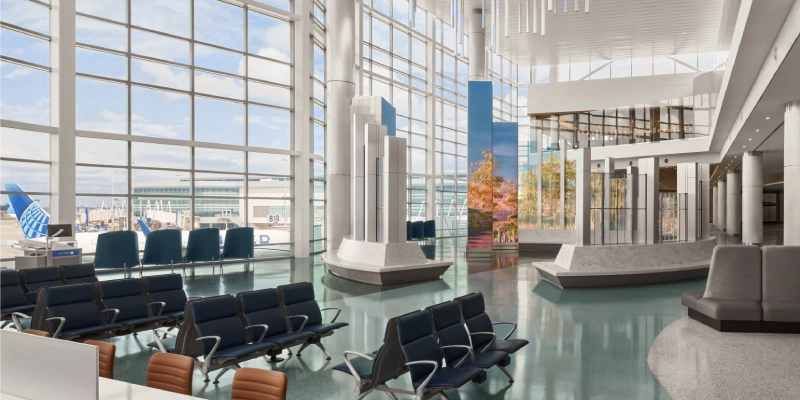
United Airlines Unveils New Terminal B North Concourse at Houston Bush Intercontinental Airport
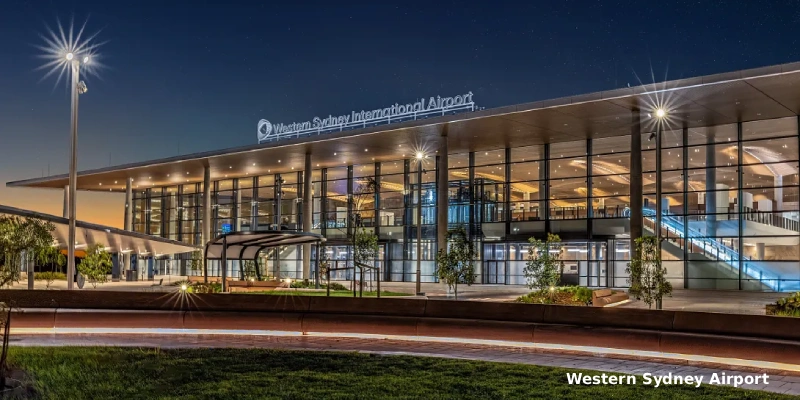
Qatar Airways to Launch Flights to New Western Sydney International Airport Starting in 2027
Sydney Opens Second Airport Amid Sluggish Initial Flight Volumes
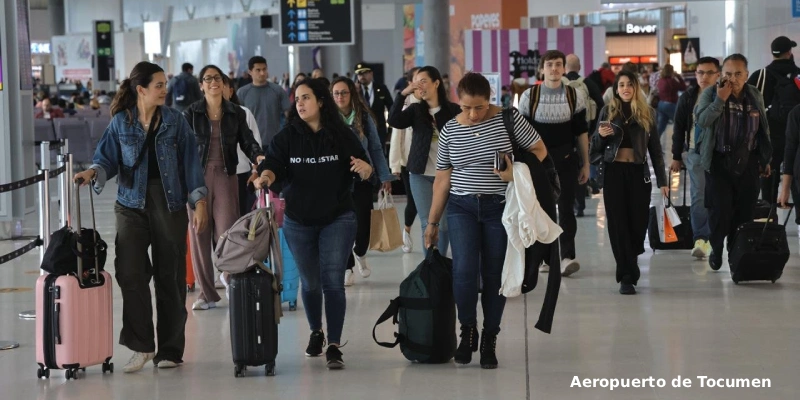
Panama: Tocumen Airport Surpasses 17.8 Million Passengers Between January and September 2026
Plataforma Informativa de Aviación Comercial con 13 años de trayectoria.