Air New Zealand and Airbus to investigate future of hydrogen powered planes.





Air New Zealand said on Thursday it was studying how it could use low-carbon technologies like electric, hybrid or hydrogen powered planes to dramatically reduce emissions from shorter and regional flights as soon as 2030.
The airline signed a memorandum of understanding with Airbus SE to research the impact hydrogen planes would have on Air New Zealand’s network, operations and infrastructure, Reuters reported.
See also: Wright Electric successfully tests a powerful new zero-emission engine.
Airbus said it is hoping to bring a hydrogen plane to market by 2035 – a goal some industry officials and analysts believe to be ambitious.
This agreement brings us a step closer to “seeing low carbon solutions in place for our shorter domestic and regional flights in the next decade,” said Air New Zealand Chief Executive Greg Foran.
Airbus has already struck similar hydrogen study deals with easyJet and SAS in Europe as airlines around the world look to meet ambitious emissions targets in line with government commitments.
See also: China’s first C919 jet bound for airline to enter final assembly.
The European manufacturer said the agreement with Air New Zealand would help it gather feedback on airlines’ expectations and preferences for configuration and performance for zero-emissions planes.
Aviation accounts for around 2.5% of global carbon emissions.
Airbus last year unveiled three visual concepts for hyrdogen-powered planes and set itself a deadline of 2035 to put a carbon-free commercial aircraft in service, a target engine makers like Safran have described as ambitious.
Related Topics
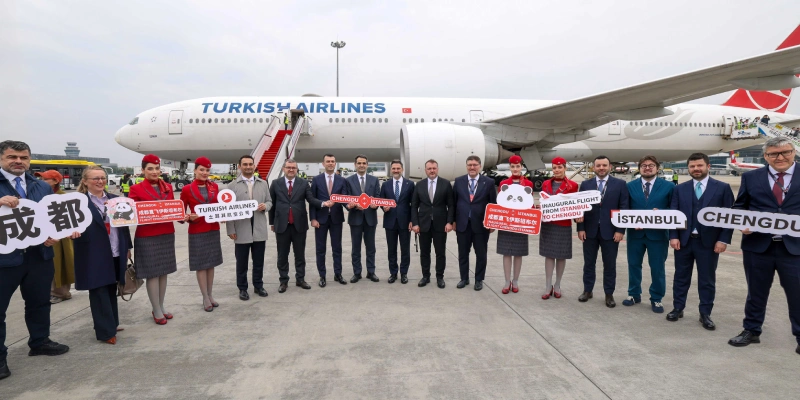
Turkish Airlines Expands Footprint in China with New Nonstop Flights to Chengdu
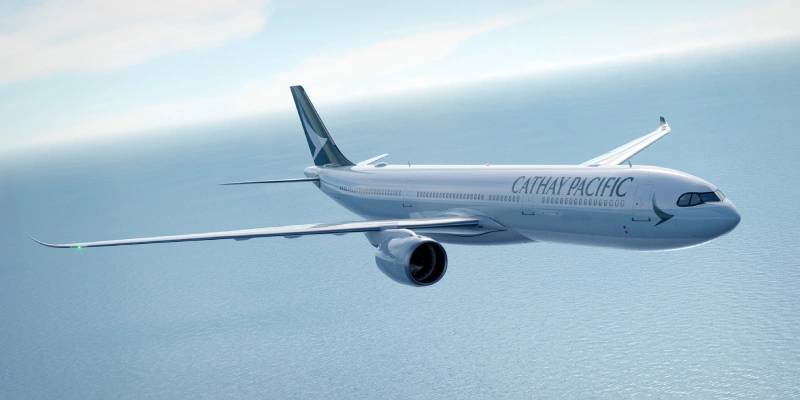
Cathay Group Orders 14 Additional Airbus Jets
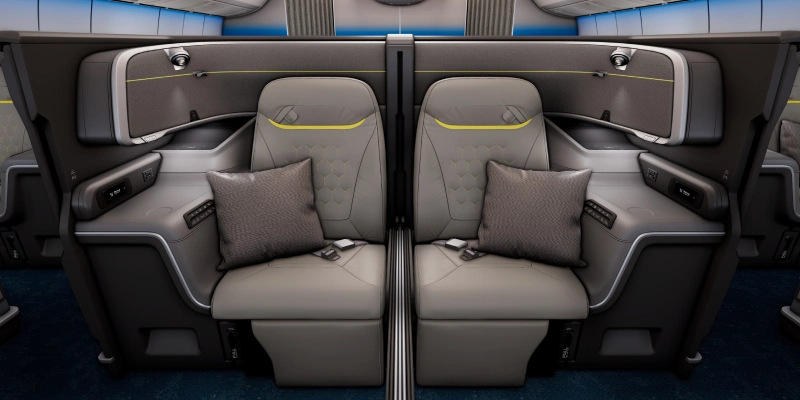
Singapore Airlines to Invest Over US$1.56 Billion in Next-Generation Long-Haul Cabins and Global Passenger Experience Overhaul

IndiGo in Talks to Acquire Up to 150 Regional Jets from Embraer to Boost Domestic Network
Plataforma Informativa de Aviación Comercial con 13 años de trayectoria.