AirBorneo Bets on ATR to Modernize Fleet: Malaysian Carrier Orders Eight Aircraft
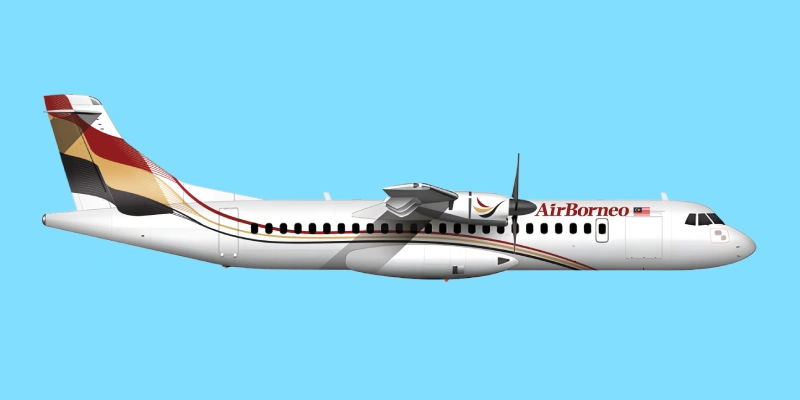




The Malaysian airline AirBorneo announced this Tuesday a strategic agreement with ATR for the modernization of the Rural Air Services (RAS) fleet in East Malaysia. The firm order comprises eight new-generation aircraft, distributed as five ATR 72-600s and three ATR 42-600s, with purchase rights for four additional aircraft. Deliveries are scheduled to take place between 2027 and 2029.
This decision not only redefines the airline’s operational structure but also reinforces a critical public service: the aerial connectivity of remote and low-density communities in Sarawak, Sabah, and Labuan—regions where air transport is not an option, but a necessity.
From MASwings to AirBorneo: A Transition with Long-Term Vision
The order was finalized at the end of 2025 and is part of the fleet renewal strategy following the acquisition of MASwings by the Sarawak government in 2025, an operation that gave rise to the current AirBorneo. The airline inherited eight ATR 72-500s from MASwings, which currently make up its active fleet.
By incorporating the -600 series, AirBorneo seeks to establish a more efficient, resilient, and sustainable base for operating the RAS network. The new ATRs will progressively replace the -500s, maintaining type continuity while providing a significant technological leap.
→ Rise Air takes delivery of Canada’s first ATR 72-600 aircraft
ATR 42-600 and ATR 72-600: Operational Flexibility and Efficiency
The choice of a mixed fleet responds to a specific RAS need: adjusting capacity to very diverse route profiles.
- The ATR 42-600 is oriented toward lower-density regional routes, standing out for its low operating costs and high efficiency.
- The ATR 72-600 provides greater capacity on segments where demand requires it, without sacrificing economy or performance on demanding runways.
Both models share technical commonality, a key factor in reducing maintenance, training, and spare parts costs in a public operation with tight margins.
Technology, Reliability, and Social Role
From a technical standpoint, the ATR -600s incorporate advanced avionics, modern navigation systems, and improvements in operational reliability. In the cabin, AirBorneo aims to elevate the passenger experience—a significant aspect for flights that, for many communities, represent the only regular link to urban centers.
A particularly relevant element for the RAS is the capacity for medical stretcher operations, a critical function in regions with limited healthcare infrastructure. The optimization of the aircraft for complex regional and rural environments, such as those in Borneo, was a central factor in the decision.
Beyond the RAS: Regional Growth Options
The agreement with ATR includes four purchase rights, which open the door to future expansion beyond the original RAS mandate. AirBorneo explicitly mentions the potential for growth in the eastern Association of Southeast Asian Nations (ASEAN)—covering Brunei Darussalam, Indonesia, Malaysia, and the Philippines—a region where regional air connectivity remains fragmented.
Vision of AirBorneo and ATR
For Megat Ardian, CEO of AirBorneo, the agreement represents “a major milestone” in the company’s commitment to safe, reliable, and modern services. The executive emphasizes that the ATR platform has proven to be the most suitable for the operating environment of East Malaysia, and that the transition to the -600 series is key to ensuring essential connectivity and sustainable growth.
From the manufacturer’s side, Nathalie Tarnaud Laude, CEO of ATR, highlighted the versatility of the ATR family and its suitability for demanding regional operations, noting the balance between efficiency, capacity, and costs as the main attraction for AirBorneo.
For a young state-owned airline with an enormous territorial responsibility, the bet on ATR is not just a fleet decision. It is a strategic statement on how to connect regions where flying remains a matter of public service.
Related Topics
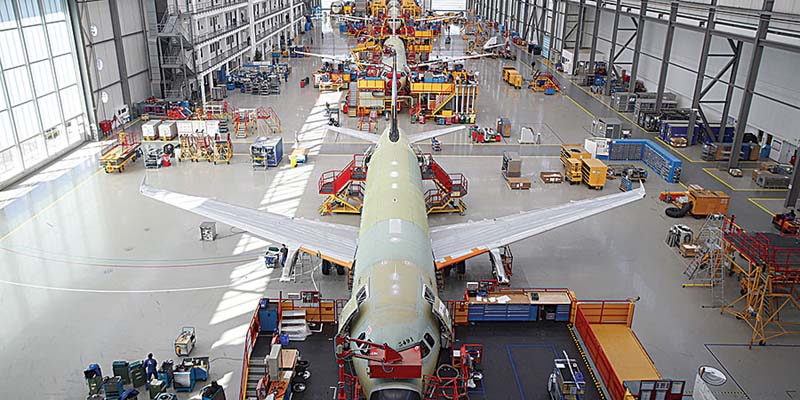
Airbus Detects Quality Issue on A321neo

Aerocivil, Airbus, and Avianca Sign Technical Alliance to Enhance Airspace Safety Redesign in Bogotá
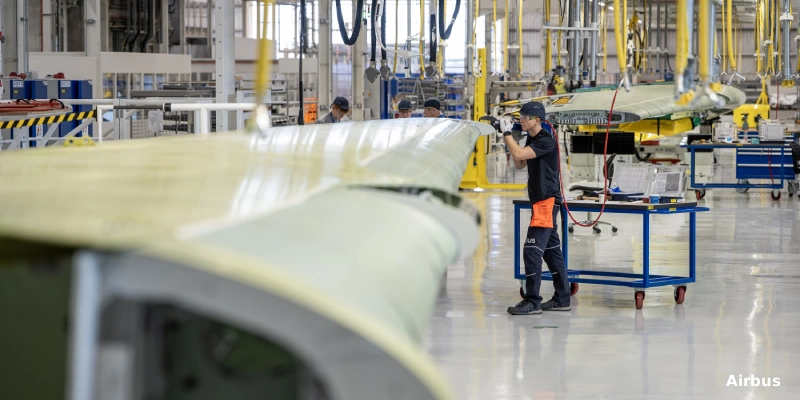
Airbus Invests £150 Million in the UK to Accelerate A321 Production Ramp-Up
Airbus Posts 9% Rise in Aircraft Deliveries Through August, Stays on Track for Full-Year Target

Plataforma Informativa de Aviación Comercial con 13 años de trayectoria.