Qantas to Divest Stake in Jetstar Japan to Focus Strategy on Australia
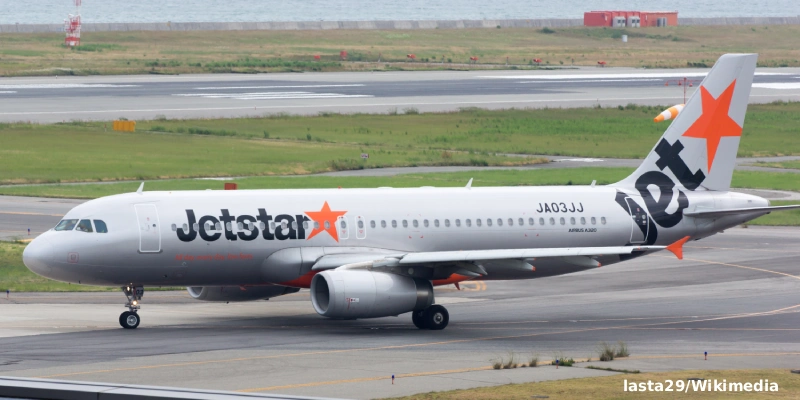




Qantas Airways has decided to sell its 33.32% stake in Jetstar Japan, marking a new milestone in the reconfiguration of its international low-cost strategy. This move comes just months after the final closure of Jetstar Asia in Singapore this past July. It confirms a clear trend: the Australian group is reducing its exposure to low-margin international businesses to concentrate resources on its core operations in Australia.
The decision is a response to an increasingly competitive regional environment, characterized by high fuel and supplier costs, which have limited the financial performance of these subsidiaries outside the domestic market.
Jetstar Japan: From International Joint Venture to Japanese Control
Jetstar Japan was founded over a decade ago as a joint venture between Qantas, Japan Airlines (JAL), and Mitsubishi Corporation. It began operations as a low-cost carrier (LCC) in late 2012 out of Narita Airport, Tokyo.
With Qantas’ departure, the shareholding structure will remain entirely in Japanese hands:
- Japan Airlines will maintain its 50% stake.
- Tokyo Century Corp will retain 16.7%.
- The Development Bank of Japan will join as a new shareholder, according to a joint statement released by the companies.
→ Qantas Debuts Airbus A220 on International Operations with Wellington Flight
While Qantas has not yet finalized the economic terms of the transaction, the ownership change already has a clear roadmap: the new group plans to reorganize, rebrand, and expand Jetstar Japan’s international routes.
Mitsuko Tottori, CEO of the Japan Airlines Group, was explicit regarding the strategic objective: “By moving toward this new structure, we will respond with greater flexibility to market changes and maximize synergies with the JAL Group to achieve sustainable growth for JJP as a key LCC at Narita Airport, which is currently undergoing expansion”.
Qantas: Absolute Focus on Australia and Fleet Renewal
For Qantas, the exit from Jetstar Japan frees up capital and management bandwidth during a particularly demanding period. The group is currently immersed in the largest fleet renewal program in its history, while simultaneously facing slower-than-anticipated growth.
In November, the airline projected that domestic unit revenue growth would sit at the lower end of the expected 3% to 5% range for the half-year ending in December 2025. A key factor has been capacity limitations resulting from delays in the return to service of its Airbus A380 fleet.
This context explains why the group has chosen to concentrate its efforts on Qantas and Jetstar Airways within the Australian market, where it maintains clearer competitive advantages and greater control over costs and capacity.
Related Topics

US Lifts Restrictions on Mexican Carriers Following Bilateral Air Transport Agreement Dispute

Resumption of Direct US–Lebanon Flights Faces Setbacks Following Technical ICAO Report

FAA Poised to Certify Boeing 737 MAX 10 Next Week Following Key Safety Review Clearance

Air Canada and United Airlines Boost Transborder Connectivity with New Routes for Summer 2027

Plataforma Informativa de Aviación Comercial con 13 años de trayectoria.