Strategic Alignment: A220 Displaces the A319neo in Airbus’s Single-Aisle Portfolio
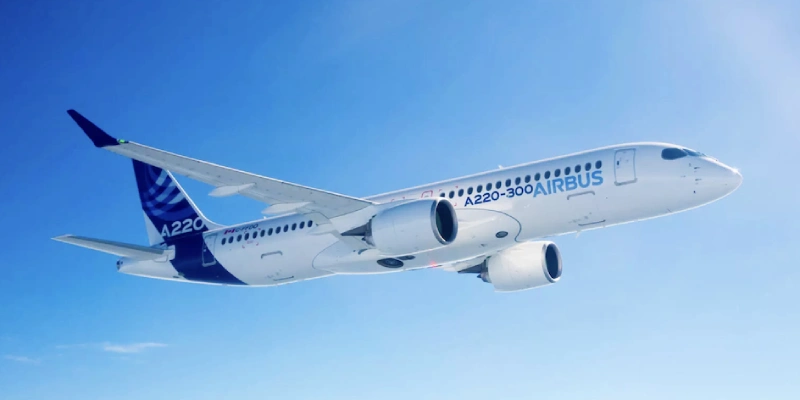




Airbus has stopped actively offering the A319neo to airlines due to continuously low sales volumes, yielding that market segment to the A220 family, as reported by Flight Global. This decision marks a key strategic shift in the single-aisle aircraft segment aimed at optimizing global manufacturing slots.
End of Active Promotion for the A319neo
The European airframer has quietly ceased marketing the A319neo to commercial airline customers. This move follows an unsatisfactory sales performance for the smallest remaining member of its original single-aisle aircraft family.
While Airbus confirmed it will still manufacture the A319neo if explicitly requested by a customer, the corporation is no longer actively promoting it within the commercial sector. However, the model remains relevant in the VIP segment, where it is marketed under the specialized Airbus Corporate Jets (ACJ) brand as the ACJ319neo.
Clear evidence of this strategic move became noticeable in a recent corporate presentation by the manufacturer, designed to illustrate its single-aisle aircraft portfolio. The graphical lineup spanned from the A220-100 at one end to the A321neo at the other, highlighting the complete absence of the A319neo from the display.
→ European Investment Bank Grants a Record €3 Billion Loan to Airbus
A Breakdown of a Market Dominated by the A220
The reasons behind sidelining this twinjet were laid bare in the data from the same presentation, which analyzes the global market for 100-to-160-seat aircraft:
- A319neo: Retains a marginal market share of just 3%.
- A220-100/300 Family: Broadly dominates the sector with a 56% share.
- Embraer E-Jet E2 Family: Secures second place with a 26% share.
- Boeing 737 MAX 7: Captures a 15% slice of this single-aisle segment.
Historical Evolution and Decline in the Re-Engining Era
The original A320 family historically included two smaller variants: the A318 and the A319. The A318, which enjoyed initial popularity, suffered severe engine development delays and concluded its production cycle with only 80 units delivered in total. Consequently, Airbus decided to exclude the A318 from its re-engining program.
In contrast, the conventional first-generation version of the A319 accumulated a respectable track record of 1,486 firm orders, accounting for 18% of all first-generation sales for the family, which initially justified its evolution into the modern A319neo.
However, that commercial momentum completely failed to carry over to the new engine option. Airbus order and delivery data updated through the end of May reflect only 57 firm commitments for the A319neo—a figure representing less than 0.5% of the total orders accumulated by the entire A320neo family. Currently, interest in this model is almost exclusively limited to China, whose airlines account for more than half of its total order book, leaving a backlog of just 14 aircraft pending delivery.
Competitive Factors: Capacity Trends and A220-300 Efficiency
The displacement of the A319neo stems primarily from two structural factors within the aviation industry:
- Capacity Increase: Global airlines are showing a clear trend toward migrating their fleets to larger platforms, shifting the bulk of their purchases to commercially highly successful models like the A320neo and, most notably, the A321neo.
- Acquisition of the CSeries Program: Airbus’s 2018 acquisition of the Bombardier CSeries program, subsequently rebranded as the A220 family, drastically increased competitive pressure on the A319neo.
The A220-300 competes directly in the market segment once occupied by the A319neo, given that both models are formally classified as aircraft designed for the 120-to-150-passenger segment. Although the A319neo retains a slight advantage in terms of operating range—offering an autonomy of 3,700 nautical miles (nm), equivalent to 6,850 kilometers (km), compared to the A220-300’s 3,400 nm—its technical nature works against it. As a shrunk version of the baseline A320 design, the A319neo is structurally heavier and cannot match the fuel efficiency and operating cost levels offered by the A220-300, which was designed and optimized from the ground up for that specific cabin size.
Maximizing Production Slots
From a strictly manufacturing perspective, Airbus maintains that it has not technically canceled or eliminated the A319neo program. The variant can still be produced because it shares the same final assembly lines (FAL) with its larger siblings in the single-aisle family.
Nevertheless, the airframer’s strategy relies on redirecting potential customer interest toward other models. Through this maneuver, Airbus successfully frees up valuable manufacturing slots at its factories, immediately reallocating them to the production of its single-aisle models with the highest commercial success in the international market.
The A319neo’s quiet exit from Airbus’s promotional spotlight consolidates the transition toward optimized, next-generation platforms like the A220 series.
Related Topics
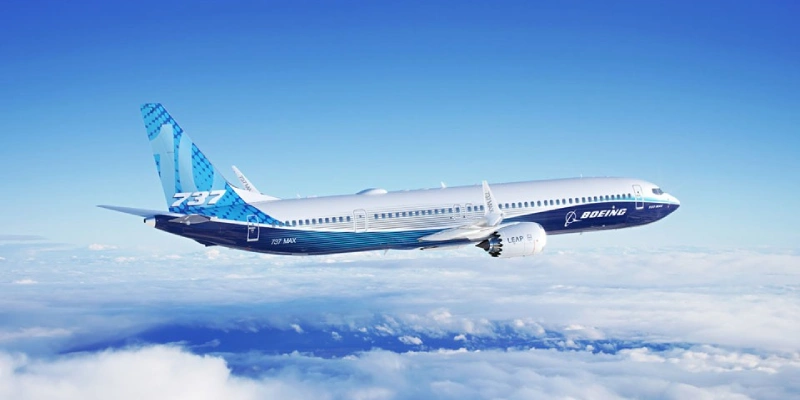
FAA Poised to Certify Boeing 737 MAX 10 Next Week Following Key Safety Review Clearance

Boeing Posts Best Month of 2026 With 57 Aircraft Delivered in September
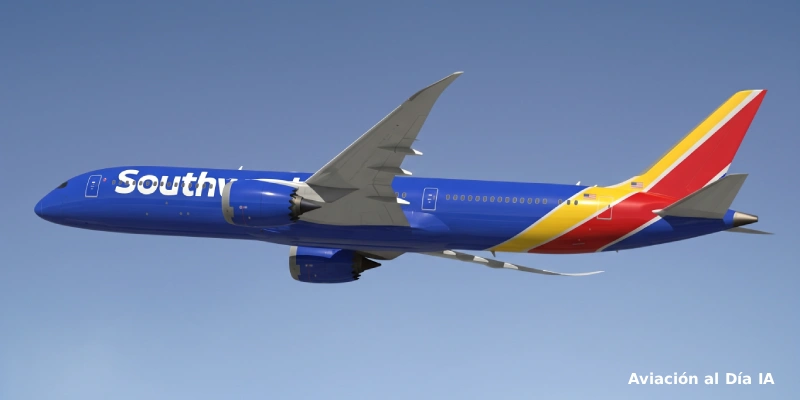
Southwest Airlines Evaluates Widebody Aircraft, Eyes Boeing 787
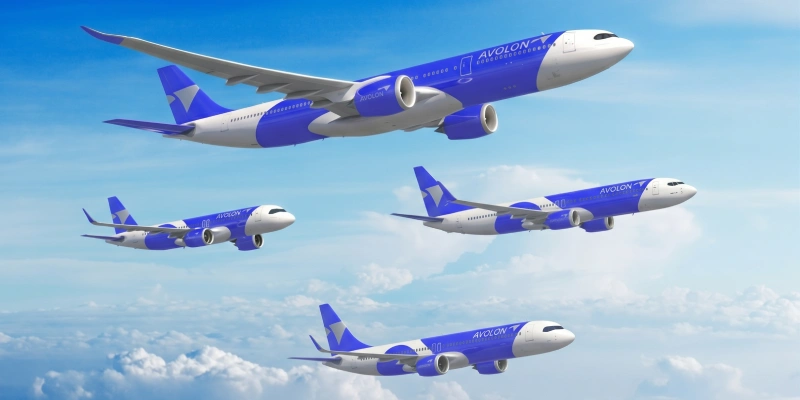
Avolon Orders 250 Aircraft from Airbus and Boeing

Plataforma Informativa de Aviación Comercial con 13 años de trayectoria.