
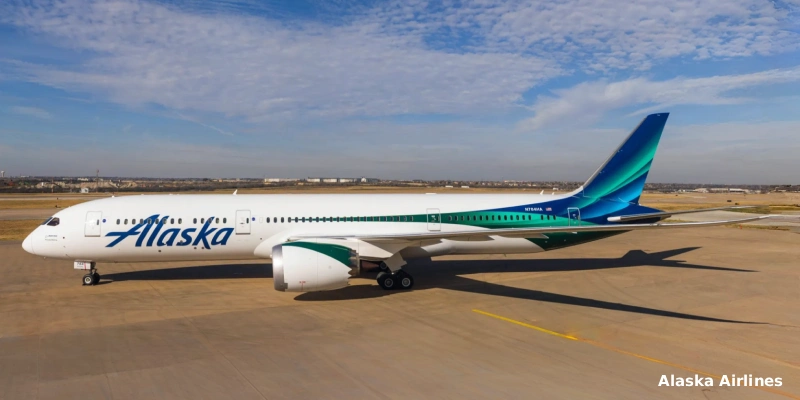
Alaska Airlines has decided to take its long-standing rivalry with Delta Air Lines at Seattle-Tacoma International Airport to the intercontinental stage. The carrier will leverage the widebody aircraft added through its acquisition of Hawaiian Airlines to compete for lucrative premium passenger traffic toward Europe and Asia.
Throughout its history, Alaska Airlines built its profitability on maintaining operating costs substantially lower than those of major U.S. network carriers, anchored by strong brand loyalty across the Pacific Northwest via an essentially domestic route network. However, operating in a regional market dominated by large corporate accounts, the company concluded that its cost advantage alone is no longer sufficient to bridge the financial performance gap with legacy competitors.
During the first half of the year, Alaska’s CASM-ex (cost per available seat mile excluding fuel) ran 17% below the average of Delta Air Lines, United Airlines, and American Airlines. Even so, the airline generated roughly one-fifth less revenue per available seat mile (RASM)—a thin margin profile that eroded its resilience against fuel price spikes tied to the war in Iran. Addressing this environment, Chief Executive Officer Ben Minicucci acknowledged to investors the imperative for a strategic pivot: carriers with higher cost structures are currently capturing the industry’s highest margins.
Expansion Strategy: Tripling Destinations and Courting Premium Demand
Alaska Airlines aims to triple its non-stop intercontinental destinations from Seattle to at least 15 routes by 2030, which would position it as the airport’s largest international carrier.
Key elements of its route rollout and network buildout include:
- New Transatlantic Routes: Plans to inaugurate service to Paris and Athens next year.
- Long-Haul Fleet: Deployment of twin-aisle Boeing 787 aircraft configured with premium cabins, accompanied by investments in new airport lounges.
- Active Long-Haul Routes: Ongoing operations to Seoul and Reykjavik—where more than half of passengers connect through Seattle—alongside services to London and Rome, which capture higher shares of local and corporate travel.
- Commercial Joint Ventures: The carrier announced its intention to join the revenue-sharing joint venture agreements led by American Airlines across both the Atlantic and Pacific. Subject to antitrust immunity and regulatory clearance, Alaska will coordinate fares, flight schedules, and revenue management with American and its international partners.
Head-to-Head Competition in Seattle’s Stronghold
The showdown between the two carriers at the U.S. West Coast’s third-busiest airport features extensive network overlap. Cirium schedule data analyzed by Reuters indicates that roughly 92% of Alaska’s scheduled intercontinental seat capacity out of Seattle over the next 12 months (through August 2027) directly mirrors nonstop routes flown by Delta.
| Metric / Carrier | Alaska Airlines (incl. Hawaiian) | Delta Air Lines |
|---|---|---|
| Total Scheduled Capacity in Seattle | 50% of total seat capacity (double Delta’s footprint) | 25% of total seat capacity |
| Intercontinental Seat Capacity | 1:2 ratio relative to Delta | Double the long-haul capacity of Alaska |
| Recent Infrastructure & Product Upgrades | Upgraded lounge network and premium cabins | 18 preferential gates and 2 newly opened lounges |
| International Network Additions | Seoul, Reykjavik, London, Rome; planned launches to Paris and Athens | Added Rome this summer; daily Tokyo-Narita service planned (March 2027) |
While Alaska retains local market dominance—funneling feed from across the Western United States onto its long-haul bank—Delta treats Seattle as its premier transpacific gateway, having severed its codeshare and reciprocal frequent flyer agreements with Alaska in 2017 as competition intensified.
Balance Sheet Pressures, Crew Costs, and Yield Volatility
Mounting a widebody global expansion introduces structural overhead and operational complexity that often materialize ahead of revenue maturity. Shane Tackett, Alaska’s President and Chief Financial Officer, noted that operating the Boeing 787 fleet currently carries above-average crew costs due to standing up dedicated pilot and flight attendant crew bases in Seattle—expenses the airline expects to normalize as more airframes arrive and economies of scale take hold.
The carrier’s financial cushion remains tight:
- Leverage Profile: Alaska expects to close 2026 with a net debt-to-EBITDA ratio roughly triple its long-term target.
- Operating Exposure: During its inaugural European summer season, robust premium yields on the London route drove profitability in July; however, subsequent surges in jet fuel prices erased those gains.
- Revenue Segmentation: Alaska projects that by 2030, nearly 60% of total revenue will come from outside the main economy cabin (up from 53% today), relying heavily on premium cabin yields and loyalty program monetization to build resilience in an airline industry where winning margin profiles look fundamentally different than they did a decade ago.
With information from Reuters
Related Topics
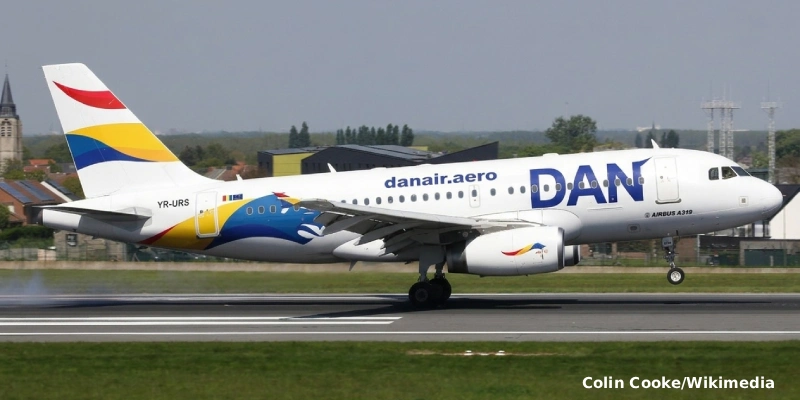
Romanian Carrier Dan Air Files for Insolvency Protection Amid Mounting Debt
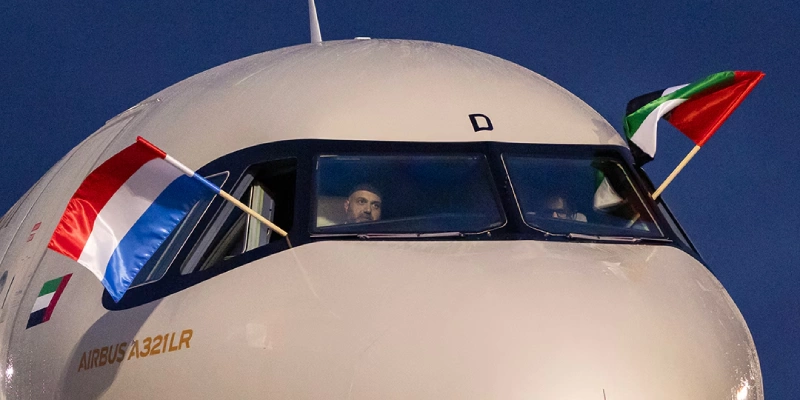
Etihad Airways Launches Nonstop Flights Between Abu Dhabi and Luxembourg

Norwegian Expands Spanish Network With Three New Direct Routes to Oslo and Copenhagen for Summer 2027
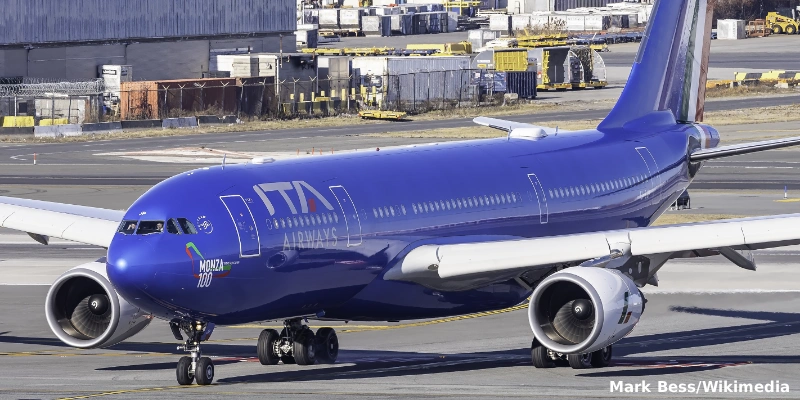
ITA Airways Opens Ticket Sales for New Rome–Caracas Route


Plataforma Informativa de Aviación Comercial con 13 años de trayectoria.