Airbus Lowers Annual Delivery Target After Aircraft Issues, But Maintains Profit Forecast





Airbus has cut its commercial delivery target for this year to around 790 aircraft, a decrease of nearly 4 percent from the previous plan of approximately 820 units. The decision came after CEO Guillaume Faury confirmed that November saw weak figures due to a quality issue with fuselages and anticipated that the impact would be defined within hours or days.
Despite this adjustment, the European group kept its financial forecasts unchanged, which boosted its shares by over 3 percent after two sessions with declines of nearly 7 percent. Analysts highlighted that the strength of the A320, which recently surpassed the Boeing 737 as the industry’s most delivered model, along with support from the Defense and Helicopter divisions, underpins profitability.
Origin of the Problem and Scope of Inspections
Reuters first reported on the issue with some fuselages, detected shortly after an urgent campaign to update software on thousands of A320s due to solar radiation. The defect corresponds to incorrect panel thickness manufactured by Sofitec Aero in Seville. Although it is not considered an immediate risk, as the parts can withstand more load than required, few airlines are willing to accept units that may require costly repairs if they suffer damage during operation.
Airbus had to slow its delivery pace to begin quick inspections. In total, 628 aircraft will be reviewed, including 168 already in service. Industry sources indicated that the flaw was found in several dozen units in production. Not all aircraft will require additional work, although technicians located irregularities mainly in the forward section, near the passenger door, and also in rear sections. According to The Air Current, each repair could take between three and five weeks.
→ Air France and Airbus Face Off in Court Over Pilots’ Role in AF447 Crash
Industrial Impact and Market Context
The company is going through a period of pressure in its supply chain. After delays in engines and seats, it now faces this new setback in core production. Chloe Lemarie, an analyst at Jefferies, noted that the statement about the target adjustment did not mention engine-related delays, which have affected the delivery schedule for over a year.
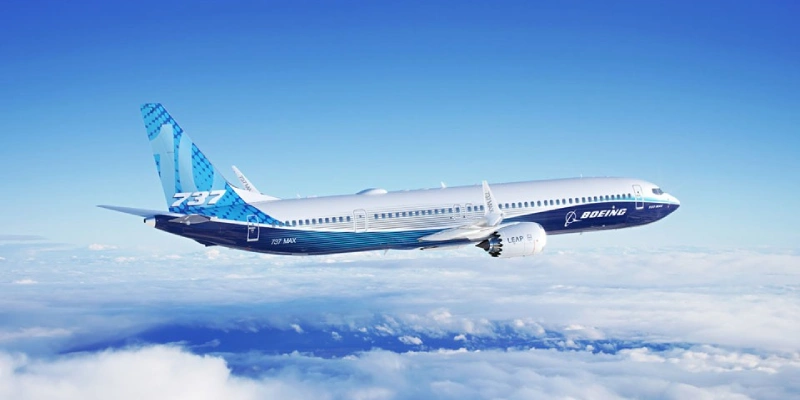
Amid this situation, Boeing is progressing in the recovery of its 737 MAX and announced expectations of positive cash flow in 2026, leading its shares to rise by 10 percent. Although it has more sales this year, it still lags behind its European competitor in deliveries.
The panel thickness issues, attributable to a stretching and machining stage, were confirmed by Faury, who admitted the impact on November’s figures. Industry sources indicated that the European manufacturer completed 72 deliveries that month, a figure lower than expected. The monthly report will be published on Friday.
Financial Forecasts and Estimated Effect
The company retains its financial targets for the year: an adjusted operating profit of around 7 billion euros and free cash flow of approximately 4.5 billion euros. Experts interpret this stance as a signal that Airbus was heading toward results above expectations before the production adjustment.
Citi estimates indicate that the delivery reduction could subtract between 400 and 450 million euros from profit and around 600 million euros from cash flow. Nevertheless, the manufacturer maintains confidence in its performance thanks to the strength of its order book and sustained demand in the single-aisle segment.
Related Topics

Malaysia Airlines Nears Order for Its First Boeing 787s to Renew and Expand Widebody Fleet

GE Aerospace Confident GE9X Mid-Seal Issue Will Not Delay Boeing 777X Entry into Service
Lufthansa Group Bolsters MAX Commitment with Order for 20 Boeing 737-10 Jets

Boeing Faces Delays in Stabilizing 737 MAX Production

Plataforma Informativa de Aviación Comercial con 13 años de trayectoria.