European Airlines Warn That Rising Fuel Costs Will Impact Ticket Prices
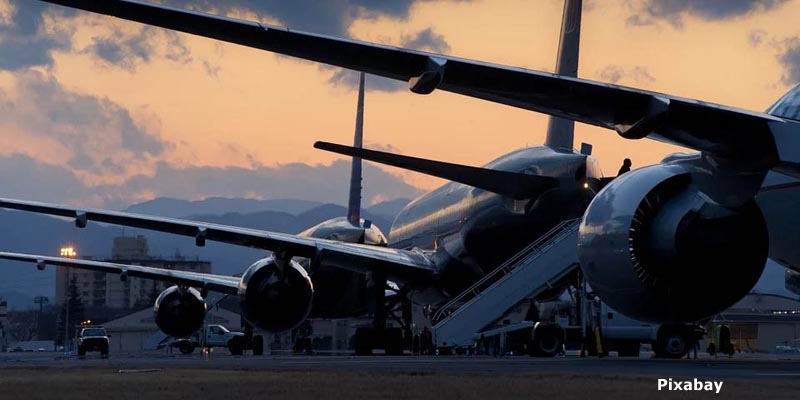




Major European carriers have warned that passengers must bear the brunt of increasing fuel costs resulting from the escalating conflict in Iran and the blockade of tankers in the Persian Gulf. Faced with narrow profit margins, operators assert they lack the capacity to absorb the additional expenses triggered by the energy crisis.
Crisis in Strait of Hormuz and the Surge in Crude Oil
The prolonged conflict has sparked growing concerns over supply shortages, particularly due to restrictions on oil tankers transiting the Strait of Hormuz. This situation has driven the price of Brent crude above $118 per barrel.
Given that fuel represents one of the most significant expenditures for air transport companies, this spike has already led to immediate consequences across the industry:
- Implementation of fuel surcharges on various routes.
- Flight cancellations due to lack of profitability or supply.
- The need to restructure financial projections for the remainder of the year.
Profit Margins Under Pressure
Executives from the continent’s largest operators agree that the impact on fares is inevitable. Michael O’Leary, CEO of Ryanair Holdings, noted that while many airlines have financial hedges to protect them in the short term, any extraordinary costs will eventually translate into higher ticket prices.
→ Lufthansa Receives Certification for Allegris Business Class Seats on Boeing 787-9 Fleet
For his part, Carsten Spohr, CEO of Deutsche Lufthansa AG, offered a clear perspective on the sector’s financial fragility during a conference in Brussels: “The average profit in my company is about 10 euros per passenger. There is no way additional costs can be absorbed with those margins.”
Market Reaction and Shifts in Demand
In anticipation of higher prices, travelers are booking in advance to secure lower fares. This trend was initially reported by U.S. airlines, which are observing some of the strongest booking activity in the business travel and premium tourism segments.
Route Restructuring Toward Asia and Africa
Instability in the Middle East has forced airlines to shift operational capacity toward more stable markets:
- Lufthansa: The German carrier cut capacity in the Middle East and added 40 additional flights to Asia, which were filled within days.
- Air France-KLM: CEO Ben Smith described the demand for the new capacity deployed toward Asia and Africa as “very healthy.”
Despite the current surge in bookings, the sector remains cautious. Industry leaders acknowledge that while the desire to travel is high, fuel prices and the resulting increase in ticket costs will ultimately affect demand in the medium term. The challenge for airlines will be monitoring how resilient the market remains in the face of a cost structure that continues to rise due to geopolitical factors beyond their control.
Related Topics
British Airways Expands Network for Summer 2027: Touches Down in Tanzania and Boosts Latin American Capacity by 25%

Copa Airlines Restores Second Daily Flight to Caracas, Venezuela

Avianca Strengthens Cross-Border Network: Launches Daily Flights Between Bogotá and Maracaibo, Venezuela

LATAM to Expand International Connectivity With New Direct Route Between Santiago de Chile and Salvador de Bahia

Plataforma Informativa de Aviación Comercial con 13 años de trayectoria.