Regional Alliance at FIDAE: Seven Countries Promote Sustainable Aviation Fuel (SAF) Corridor in Latin America
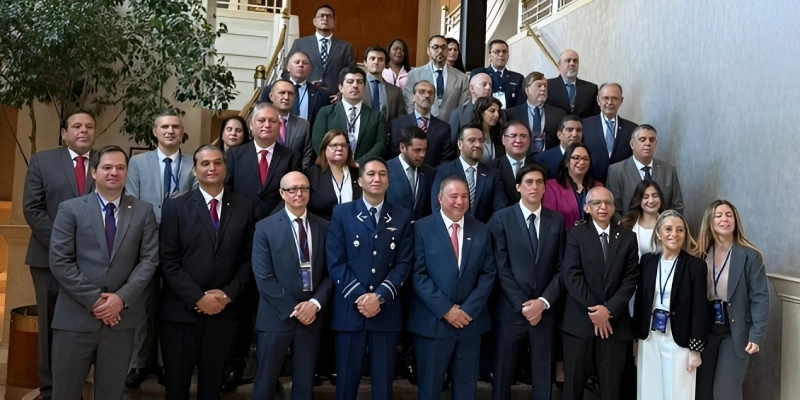




During the International Air and Space Fair (FIDAE) held in Santiago, Chile, seven Latin American nations formally established a strategic alliance for the implementation of Sustainable Aviation Fuel (SAF). This agreement seeks to consolidate a low-emission regional air corridor, positioning the region as a benchmark in the global energy transition and the decarbonization of the aeronautical sector.
A United Front for Aerial Decarbonization
The Special Administrative Unit of Civil Aeronautics (Aerocivil) of Colombia, together with the aviation authorities of Chile, Costa Rica, Panama, Aruba, Peru, and Bolivia, signed Letters of Intent for International Cooperation regarding SAF. This initiative responds directly to current climate challenges and aligns with the guidelines set by the International Civil Aviation Organization (ICAO).
The participating States have expressed their political will to progressively reduce greenhouse gas emissions. The objective is to ensure that the growth of the aviation sector evolves in harmony with environmental preservation, recognizing aviation as an economic engine that must remain sustainable.
→ Airbus Leads ECLIF-X Project: A Mission to Eliminate Climate Impact of Contrails
Strategic Pillars: From Regulation to Regional Production
The alliance is more than a diplomatic gesture; it establishes a technical roadmap to foster a clean fuel ecosystem in Latin America. Key priority areas include:
- Regulatory Exchange: The creation of common technical and legal frameworks regarding sustainable fuels.
- Capacity Building: Sharing best practices and lessons learned among regional aviation regulatory bodies.
- Production and Certification: Identifying opportunities to produce, certify, and distribute SAF by leveraging the biodiversity and geographical potential of the signatory countries.
- Clean Energy Market: Coordinating mechanisms to facilitate commercialization and positioning the region as a clean energy export hub for the global aviation industry.
Toward Environmentally Friendly Aviation
The signing of this document lays the groundwork for future binding cooperation mechanisms between these nations. According to the alliance, the use of SAF allows for higher standards of environmental responsibility, ensuring that air connectivity does not compromise the well-being of future generations.
With this step, the civil aviation authorities of these countries ratify their commitment to an efficient and modern aviation industry, consolidating Latin America as a leading player in planetary protection and energy innovation.
Related Topics

Delta Strengthens Transatlantic Network for Summer 2027 with New Routes from Detroit and Boston to Europe
Qantas Confirms Nonstop Sydney–New York Flights to Launch in 2028

Breeze Airways Retires Its Final Embraer 190, Consolidates an All-Airbus A220 Fleet

US to Seek Additional $30 Billion to Modernize Air Traffic Control System and Airports

Un apasionado por la aviación, Fundador y CEO de Aviación al Día.