Allegiant Air Announces Acquisition of Sun Country Airlines for $1.5 Billion
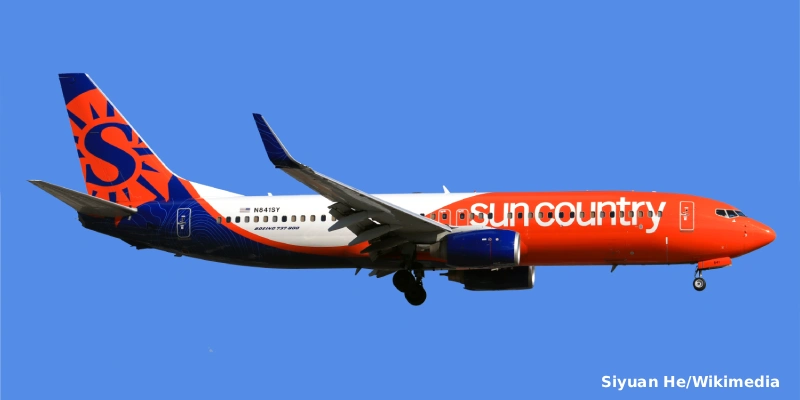




Allegiant Air announced the acquisition of Sun Country Airlines in a deal valued at approximately $1.5 billion, including debt. This transaction unites two significant players in the low-cost segment and will have direct implications for the network, fleet, and financial structure of the new group.
The agreement, officially communicated by both companies, not only expands Allegiant’s operational scale but also raises strategic questions about the evolution of the ultra-low-cost carrier (ULCC) model in an increasingly competitive market.
Deal Structure: Nearly 20% Premium for Sun Country
According to the announced terms, Sun Country shareholders will receive 0.1557 shares of Allegiant plus $4.10 in cash for each share. This combination of stock and cash payment values Sun Country at $18.89 per share, representing an approximate premium of 19.8% compared to the previous Friday’s closing price, when the stock traded at $15.77.
Upon closing of the transaction, the shareholding structure of the combined group will be distributed with 67% held by current Allegiant shareholders and 33% by Sun Country shareholders, solidifying the majority control of the acquiring company.
→ Allegiant Expands Network with 30 New Nonstop Routes and Four New Cities
Expanded Network and a Fleet Nearing 200 Aircraft
From an operational standpoint, the agreement aims to significantly expand the combined group’s network, adding destinations within the United States and in international markets. Although the release does not detail specific routes or overlaps, the emphasis is on greater geographic coverage and leveraging complementary network models.
In terms of assets, the combined fleet will reach approximately 195 aircraft, with additional pending orders and options—a key data point for evaluating the future capacity and growth flexibility of the new operator. For the moment, it is not specified how fleet types or delivery schedules will be harmonized.
Synergies, Financial Results, and Timelines
One of the central points of the announcement is the expected economic impact. Allegiant estimates the transaction will generate annual synergies of approximately $140 million by the third year after closing. Furthermore, the company anticipates the transaction will be accretive to earnings per share (EPS) as early as the first year, a message clearly aimed at markets and institutional investors.
The closing of the agreement is expected in the second half of 2026, leaving a prolonged period for regulatory review and planned integration, a significant factor in the current context of antitrust scrutiny in the United States.
Governance and Leadership: Continuity with Adjustments
On the executive front, Gregory Anderson, Allegiant’s current CEO, will lead the combined company as Chief Executive Officer, ensuring strategic continuity. Robert Neal will assume the role of President and Chief Financial Officer (CFO) of the resulting group, while Jude Bricker, CEO of Sun Country, will join the board of directors.
The new company will have its corporate headquarters in Las Vegas, reinforcing Allegiant’s historical role in that market and consolidating the group’s decision-making center there.
Open Points and Aspects to Monitor
While the announcement provides key figures on valuation, synergies, and shareholding structure, critical details remain pending: concrete operational integration plans, brand strategy, fleet rationalization, and potential capacity adjustments. Regulatory scenarios or specific conditions for the approval of the agreement are also not mentioned, aspects that will be decisive in the coming months.
A New Chapter in Low-Cost Consolidation
Allegiant’s acquisition of Sun Country marks one of the most significant moves in the U.S. low-cost segment in recent years. Beyond the numbers, the agreement reflects the pursuit of scale, efficiency, and financial resilience in an environment where costs, competition, and capital discipline are increasingly decisive.
For industry executives and analysts, the true impact of this operation will be measured not only in projected synergies but in the new group’s ability to integrate two operational models and convert size into a sustainable competitive advantage.
Related Topics
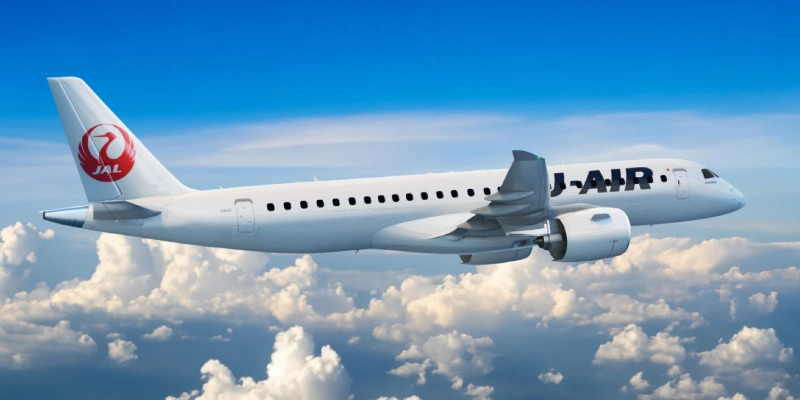
Japan Airlines Selects Embraer E190-E2 to Renew J-AIR Regional Fleet
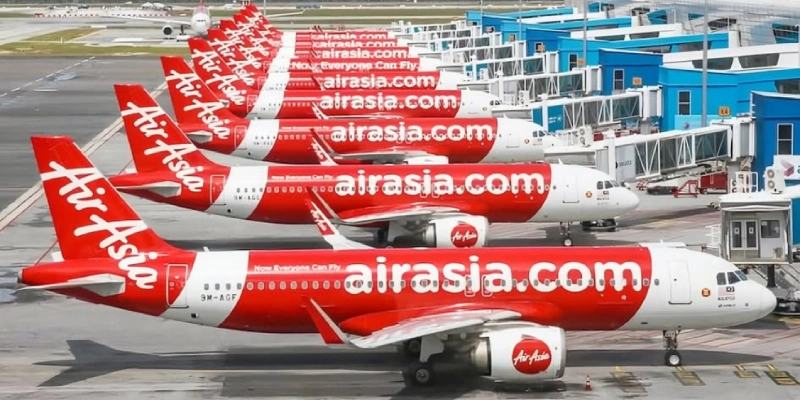
AirAsia in Talks with Malaysian Government Over Potential Financial Support Amid Economic Headwinds and Soaring Fuel Costs
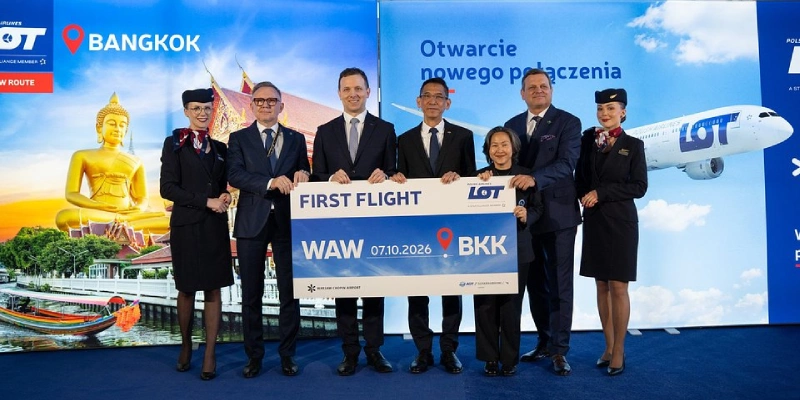
LOT Polish Airlines Launches Direct Flights Between Warsaw and Bangkok
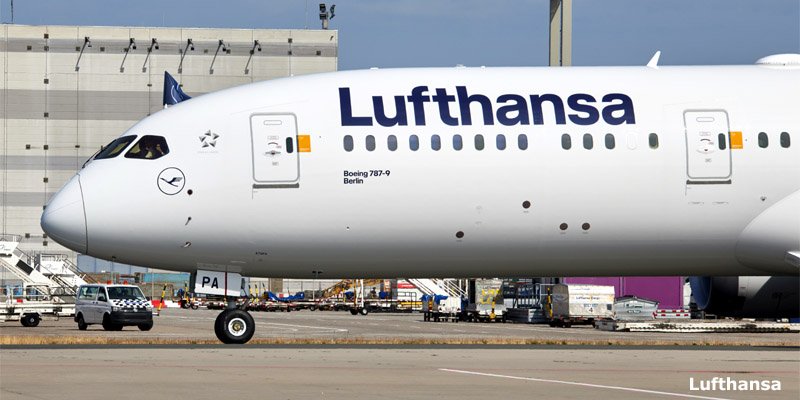
Lufthansa Group Boosts Connectivity to Japan, Reaching Up to 50 Weekly Flights in Summer 2027

Un apasionado por la aviación, Fundador y CEO de Aviación al Día.