Spirit Airlines to Recall Nearly 500 Pilots as it Prepares for Bankruptcy Exit
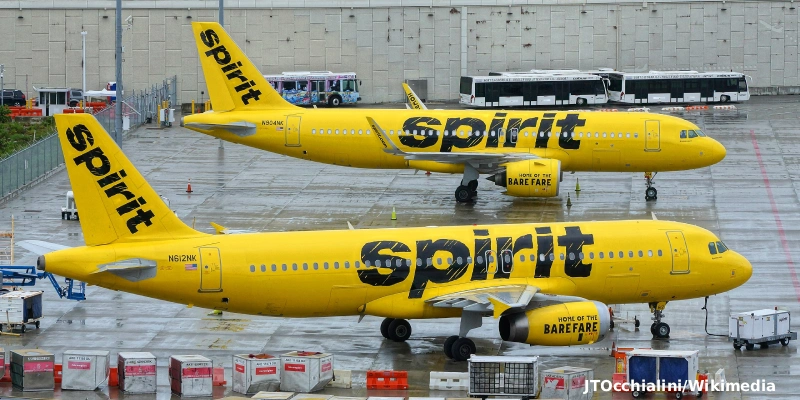




Spirit Airlines has initiated the process of recalling approximately 500 pilots who were on temporary leave, marking a decisive step in its preparation to emerge from its second financial restructuring. This strategic move seeks to stabilize the airline’s operations in the face of a higher-than-anticipated staff attrition rate.
Flight Crew Return and Reinstatement Timeline
The low-cost carrier (LCC) formally notified the pilots on March 9, 2026. According to the company, those professionals who accept the recall will return to their duties following the timelines and conditions stipulated in the Collective Bargaining Agreement (CBA).
This decision not only addresses growth requirements following the restructuring but also responds to a pilot attrition phenomenon that was higher than management had anticipated. While the information surfaced via an internal memorandum cited by media outlets, the company has declined to elaborate on the specific details of this document.
A More Efficient and Focused Airline
Spirit Aviation Holdings, the company’s parent entity, filed for Chapter 11 protection for the second time in August 2025, facing declining cash reserves and accumulated losses. However, the recent restructuring agreement reached with its creditors outlines a clear path to exit bankruptcy by late spring or early summer 2026.
→ Wizz Air Secures Authorization for UK to US Charter Operations
The airline’s new phase will be characterized by:
- Streamlined Operations: Plans to operate as a smaller airline.
- Network Optimization: Focus will center on high-demand routes and periods where passenger traffic is most robust.
- Capital Control: Implementation of measures to reduce cash burn and raise new financing.
Challenge of the Ultra-Low-Cost Carrier (ULCC) Model
Spirit Airlines, recognized for its distinctive fleet of bright yellow Airbus aircraft, historically built its success on the Ultra-Low-Cost Carrier (ULCC) model. This framework allowed for minimal base fares by unbundling additional services such as seat assignments or checked baggage.
However, the market has undergone a significant transformation post-pandemic:
- Shift in Preferences: Modern travelers prioritize comfort and experience-based travel over extreme cost savings.
- Rise of Premium Services: Spirit’s core model has struggled to gain traction against competitors offering higher value-added products.
- Adaptability: The airline continues to struggle to adapt its cost structure and services to a demand that no longer responds with the same intensity to the “transportation only” model.
With the recall of its pilots and its upcoming exit from judicial protection, Spirit Airlines seeks to regain its competitiveness in an aeronautical environment that demands greater operational flexibility and a commercial offering more closely aligned with modern passenger expectations.
Related Topics

Aeromexico Plans to Launch Flights to Caracas in Q1 2027 and Evaluates Making Santiago Seasonal Route Year-Round
Copa Airlines Ramps Up Americas-Wide Campaign for Margarita Island Ahead of Porlamar Route Launch
LATAM Airlines Strengthens Regional Leadership with Five Honors at the 2026 World Travel Awards

Copa Airlines Restores Operations Following Seismic Activity in Panama and Expands Commercial Flexibility Policies

Plataforma Informativa de Aviación Comercial con 13 años de trayectoria.